
2026 Best Refrigeration Unit Types for Global Buyers
Choosing the right Refrigeration Unit is a practical decision with long-term financial and operational consequences. Global buyers must consider temperature stability, cargo volume, energy use, installation conditions, and service availability. A unit that performs well in a European warehouse may struggle in a humid coastal market or a remote inland facility.
This guide examines major refrigeration unit types for 2026, including self-contained systems, remote condensing units, transport refrigeration units, and modular cold-room solutions. Each type serves a different operating environment. For example, a refrigerated truck may require compact equipment, vibration resistance, and dependable performance during frequent door openings. A food distribution center may prioritize capacity, redundancy, monitoring, and simple maintenance access.
Performance matters.
Real purchasing decisions also depend on local technicians, replacement parts, refrigerant requirements, noise limits, and electricity reliability. Buyers should review manufacturer specifications, verified test data, warranty terms, and installation guidance before approving a purchase. Field experience shows that the cheapest unit is not always the most economical choice. Energy consumption and unplanned downtime can quietly exceed the original price difference.
There is no perfect solution. That assumption can fail. A highly efficient system may demand skilled maintenance, while a simpler model may consume more power. This overview offers a balanced framework for comparing Refrigeration Unit options across industries and regions. It also recognizes an uncomfortable point: product labels alone cannot predict real-world performance. Climate, loading habits, maintenance quality, and operator training often decide the final result.
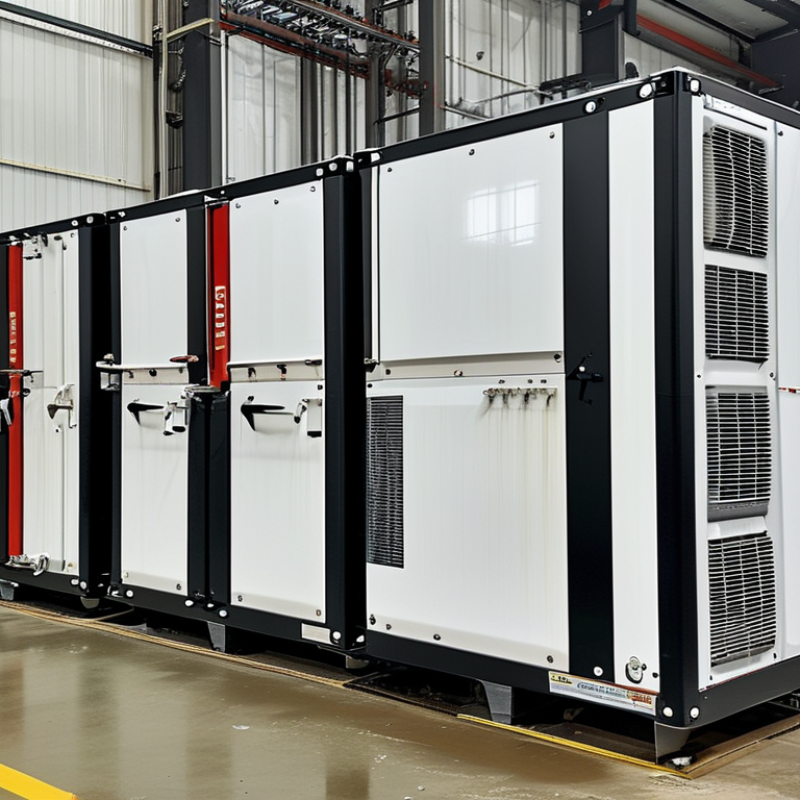
What Refrigeration Units Are and How They Support Global Cooling Needs
Refrigeration units remove heat from products, rooms, or containers. They use a compressor, condenser, expansion device, and evaporator. Together, these parts maintain controlled temperatures across food, medicine, laboratories, and industrial storage. Common formats include self-contained cabinets, remote condensing units, packaged systems, and transport refrigeration units. The best choice depends on product temperature, ambient heat, door openings, power stability, and service access.
The International Energy Agency reports that space-cooling energy demand could more than triple by 2050 without stronger efficiency measures. Refrigeration adds pressure to this growing electricity challenge. The United Nations Environment Programme also identifies cooling efficiency and low-global-warming refrigerants as important climate priorities. In practice, a well-sized unit can reduce temperature swings, protect stock, and limit unnecessary compressor cycling. Small details matter. A dusty condenser can raise operating costs. Poor door seals can defeat an efficient system.
Global buyers should compare cooling capacity, seasonal efficiency, refrigerant requirements, noise, spare-part availability, and technician training. Remote monitoring helps detect rising temperatures before products spoil, but connectivity is not universal. This is an inconvenient limitation. Specification sheets may also show laboratory performance, not actual results in humid warehouses or unstable grids. The IIR estimates that inadequate refrigeration contributes significantly to global food loss, although exact figures vary by region and measurement method. Buyers should verify local conditions, test the installation, and leave realistic capacity margins.
2026 Best Refrigeration Unit Types for Global Buyers - What Refrigeration Units Are and How They Support Global Cooling Needs
| Refrigeration Unit Type | Typical Cooling Capacity* | Typical Temperature Range | Common Applications | Installation Characteristics | Common Refrigerant Options | Main Advantages | Key Buying Considerations |
|---|---|---|---|---|---|---|---|
| Air-Cooled Condensing Unit | 1.5–150 kW | -25°C to +10°C room temperature | Cold rooms, retail cases, food storage, light industrial cooling | Compressor and condenser are outdoors; evaporator is installed inside the cooled space | HFO/HFC blends, hydrocarbons, or carbon dioxide, depending on design and local rules | Flexible layout, easy service access, suitable for many room sizes | Outdoor ambient design temperature, condenser airflow, noise, corrosion protection, and technician availability |
| Hermetic or Semi-Hermetic Condensing Unit | 0.5–30 kW | -35°C to +12°C room temperature | Small and medium cold rooms, beverage storage, commercial refrigeration | Factory-assembled package connected to a remote evaporator | Low-GWP HFC/HFO blends, propane, or carbon dioxide in suitable systems | Compact design, standardized components, relatively simple commissioning | Required evaporating temperature, electrical frequency, voltage, start-up current, and service parts |
| Monoblock Cold-Room Unit | 0.6–15 kW | -25°C to +10°C room temperature | Walk-in coolers, small freezers, restaurants, convenience stores | Single packaged assembly fitted through a wall or ceiling panel | Hydrocarbons, HFO/HFC blends, or other locally approved refrigerants | Fast installation, limited piping, lower initial complexity | Panel thickness, door opening frequency, heat rejection space, drainage, and ambient temperature |
| Split Refrigeration Unit | 1–60 kW | -30°C to +12°C room temperature | Cold rooms where heat or noise must be kept outside | Separate indoor evaporator and outdoor condensing section joined by refrigerant piping | Low-GWP HFO/HFC blends, hydrocarbons, or carbon dioxide according to system design | Good space utilization, flexible equipment positioning, reduced indoor heat release | Pipe length, elevation difference, oil return, leak testing, and qualified installation |
| Remote Multi-Evaporator System | 15–300 kW | -35°C to +10°C, with separate temperature zones | Supermarkets, distribution centers, food-processing facilities | Centralized compressor rack or plant supplies several evaporators and display cases | Carbon dioxide, ammonia, or lower-GWP HFO/HFC systems | Efficient zoning, centralized monitoring, and scalable capacity | System controls, redundancy, piping design, leak detection, commissioning, and maintenance capability |
| Blast Chiller or Blast Freezer Unit | 5–250 kW | Approximately -40°C to +10°C air temperature | Rapid cooling of cooked food, bakery products, meat, seafood, and prepared meals | High-airflow evaporator and high-capacity refrigeration package designed for rapid pull-down | Low-GWP HFO/HFC blends, carbon dioxide, or ammonia in larger installations | Shortens cooling time, supports food-safety procedures, and reduces product dehydration when correctly controlled | Product load, trolley configuration, airflow pattern, pull-down time, defrost method, and sanitation design |
| Transport Refrigeration Unit | 3–80 kW | About -25°C to +25°C, depending on vehicle and cargo | Refrigerated trucks, trailers, containers, and last-mile delivery vehicles | Vehicle-mounted system powered by the engine, electric motor, or independent power source | Low-GWP HFO/HFC blends, carbon dioxide, or hydrocarbons in approved applications | Maintains temperature during transport and can support multiple operating modes | Payload, battery or fuel consumption, noise limits, route climate, standby power, and temperature recording |
| Industrial Ammonia Refrigeration Package | 100 kW–10 MW+ | Approximately -45°C to +10°C, depending on the process | Large cold stores, food processing, ice production, and logistics hubs | Engineered plant with compressors, receivers, pumps, evaporators, controls, and safety systems | Ammonia (R717); secondary fluids may be used to limit refrigerant charge in occupied areas | High efficiency at large scale, zero direct global-warming potential from the refrigerant | Safety compliance, trained operators, ventilation, refrigerant charge management, capital cost, and local regulations |
| Thermoelectric Cooling Unit | 10 W–1 kW | Usually near-ambient cooling; commonly 5°C to 25°C below ambient | Small cabinets, electronics enclosures, laboratory instruments, and portable applications | Solid-state module with hot-side and cold-side heat sinks; no compressor or refrigerant circuit | No refrigerant required | Low vibration, compact size, reversible operation, and simple mechanical construction | Lower efficiency for large loads, limited temperature lift, heat-sink performance, and electrical power quality |
