
7 Carbon Filament Buying Tips for Global Buyers
Buying Carbon Filament for global production requires more than comparing spool prices. Fiber length, reinforcement percentage, nozzle wear, moisture control, and printer compatibility can change the final part dramatically. A glossy product page rarely shows the complete picture.
The global carbon-fiber market was valued at approximately USD 4.7 billion in 2023, according to MarketsandMarkets’ Carbon Fiber Market report. The same report projects strong growth through 2028. Meanwhile, the Wohlers Report 2024 identifies material performance, process reliability, and application qualification as continuing priorities in additive manufacturing. These figures show opportunity, but they do not guarantee a successful purchase. A low-cost spool may absorb moisture during ocean transport. A hardened nozzle may still fail after several kilograms of abrasive material.
Greg Mark, founder of Markforged, has described the value of printed composites in practical terms: “The strength of 3D printing is the ability to make parts that are optimized for their application.” That principle matters when selecting Carbon Filament. Buyers should examine datasheets, test methods, batch consistency, storage packaging, and technical support. Ask for tensile data under clearly stated conditions. Check whether the figures apply to printed specimens or molded samples.
Small details matter. A sealed bag is not the same as controlled drying. A high fiber percentage is not automatically better. Frankly, some supplier claims remain difficult to compare. This guide offers seven buying tips for global buyers, while recognizing one uncomfortable truth: material data can look precise and still hide important assumptions.
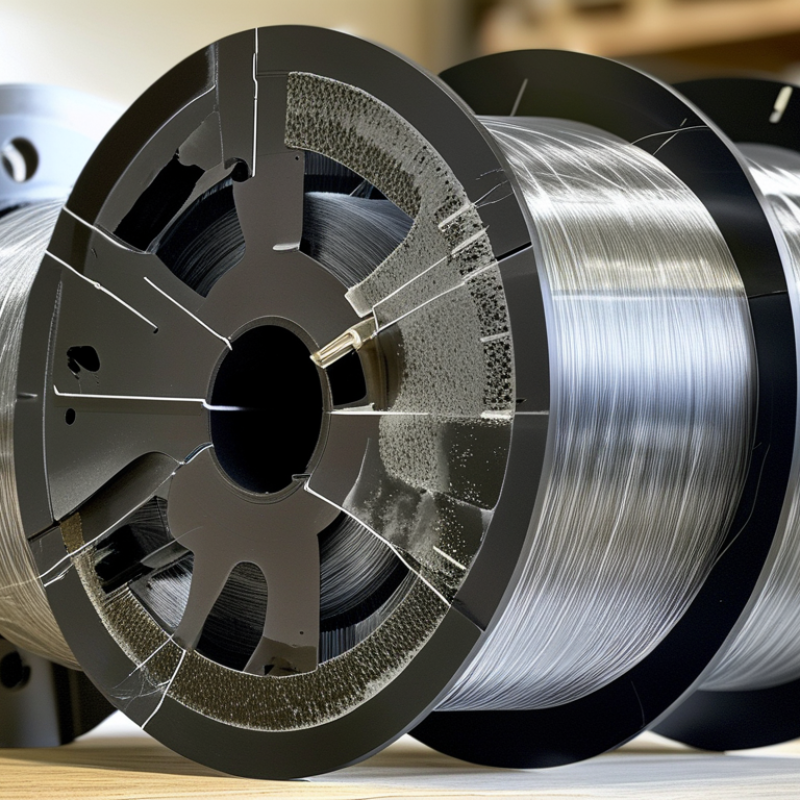
Classify the Filament by Polymer, Fiber Content, and ASTM D638 Strength Data
7 Carbon Filament Buying Tips for Global Buyers
Tip 1: Identify the base polymer before comparing carbon content. PLA, PETG, nylon, and PEEK behave differently during printing and service. Polymer choice affects heat resistance, moisture absorption, shrinkage, and chemical stability.
Tip 2: Check whether fiber content is reported by weight or volume. A label stating 15% carbon fiber by weight cannot be compared directly with 15% by volume.
Tip 3: Ask for the fiber length and form. Short fibers improve stiffness, while continuous fibers require different equipment and design methods.
Tip 4: Request ASTM D638 tensile data, not only a marketing strength number. Check tensile strength, tensile modulus, elongation, specimen type, and test speed. Test direction matters greatly because printed layers create anisotropy.
Tip 5: Confirm the testing condition. Temperature, humidity, drying treatment, nozzle size, layer height, and build orientation can change the result. A dry nylon sample may perform very differently after moisture exposure. One careless comparison can distort the purchase decision.
Tip 6: Match the ASTM D638 data with your actual part direction. A strong longitudinal result may not represent vertical performance.
Tip 7: Request recent lot records and a technical data sheet. I once treated identical fiber percentages as equal, but their polymer grades differed. That was a poor assumption. Buyers should also inspect surface finish, spool consistency, and nozzle wear during trials. A small pilot print with measured coupons often reveals more than a polished sales chart.
