
7 Tips for Choosing a Manual Ceramic Coffee Grinder
Choosing a Manual Ceramic Coffee Grinder can change the character of every cup. The right model should feel steady, comfortable, and predictable during daily use. Ceramic burrs resist rust and often handle repeated grinding well. However, burr material alone does not guarantee excellent results. Design matters just as much.
I have used compact hand grinders in quiet kitchens and busy travel settings. A narrow handle can slip when grinding light-roast beans. A small hopper may also become frustrating when brewing for several people. These details are easy to overlook. They should not be. This guide shares seven practical tips for comparing burr quality, grind adjustment, capacity, cleaning, and overall comfort. Each point connects with real brewing decisions, not attractive product claims.
Look closely at the grind range. Espresso needs fine, consistent particles, while French press requires a much coarser texture. Check whether the adjustment mechanism moves clearly and stays in place. Examine the body, shaft, bearings, and handle before trusting a low price. Some grinders feel smooth at first but develop wobble later. That possibility deserves honest consideration.
Small choices matter.
A reliable grinder should also be easy to clean and simple to carry. Ceramic burrs can be durable, yet they may chip if dropped or tightened carelessly. User reviews can reveal long-term problems that specifications hide. Still, reviews are personal, so compare repeated patterns rather than one dramatic complaint. These seven tips will help you choose with clearer expectations and fewer expensive surprises.
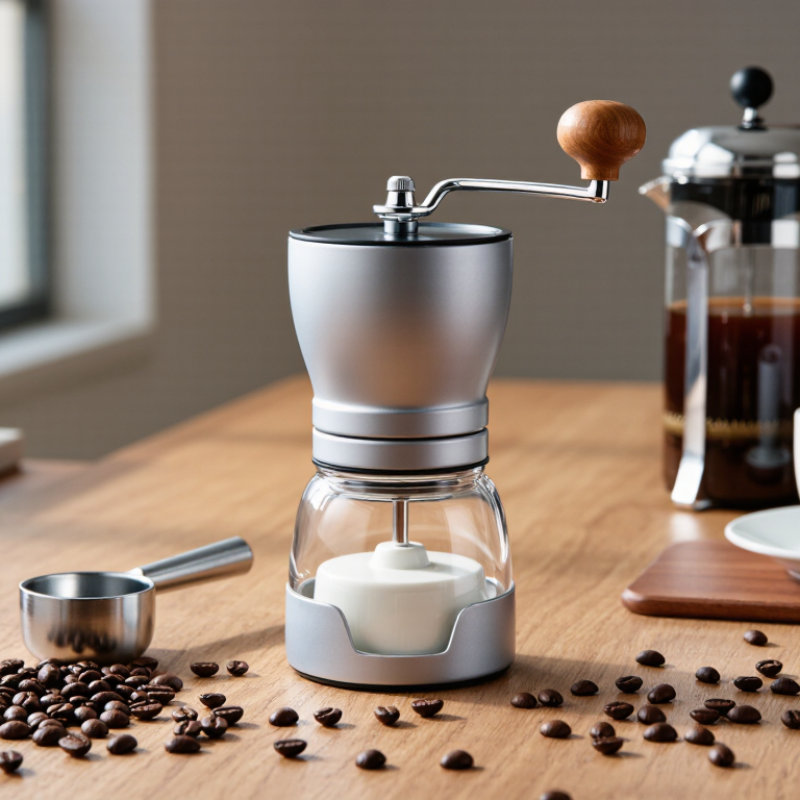
Define Your Coffee Grinding Needs and Brewing Style
Choosing a manual ceramic coffee grinder starts with your brewing routine, not its appearance. The National Coffee Association’s Spring 2024 report found that 67% of U.S. adults drank coffee the previous day. That habit varies widely. A single morning cup needs different capacity from family brewing or travel use.
Define your preferred method. Pour-over usually rewards a consistent medium grind and careful adjustment. French press needs a coarser setting with fewer fine particles. Espresso demands extremely fine control, which many manual grinders cannot provide comfortably. The Specialty Coffee Association recommends about 55 grams of coffee per liter of water, with a 18–22% extraction range. These figures come from SCA brewing standards, but taste still depends on water, freshness, and technique.
Your hands matter too. Ceramic burrs can resist corrosion and reduce heat during slow grinding. They may also feel slower with dense, light-roasted beans. I once chose a compact grinder for travel and regretted its tiny capacity. My coffee tasted fine, but repeated refills became irritating. Check adjustment steps, grip comfort, burr alignment, and cleaning access before buying. For occasional pour-over, portability may matter most. For daily brewing, smoother adjustment and stable output deserve priority. Convenience is part of flavor.
