
7 Tips for Choosing the Right Thread Rod?
Choosing the right Thread Rod can determine whether a connection stays secure or loosens under pressure. The decision is rarely based on appearance alone. Diameter, thread pitch, length, material, strength grade, and surface finish all affect performance. A rod that looks heavy may still fail in a corrosive or vibrating environment.
This guide presents seven practical tips for making a more dependable choice. It considers how loads act on the assembly, how accurately the rod must fit its nuts, and how exposure to moisture changes material selection. Stainless steel may suit damp areas, while zinc-plated steel can offer economical protection in controlled indoor conditions. Thread engagement also matters. Too little engagement can weaken the joint, while excessive length may create alignment problems.
Small details matter.
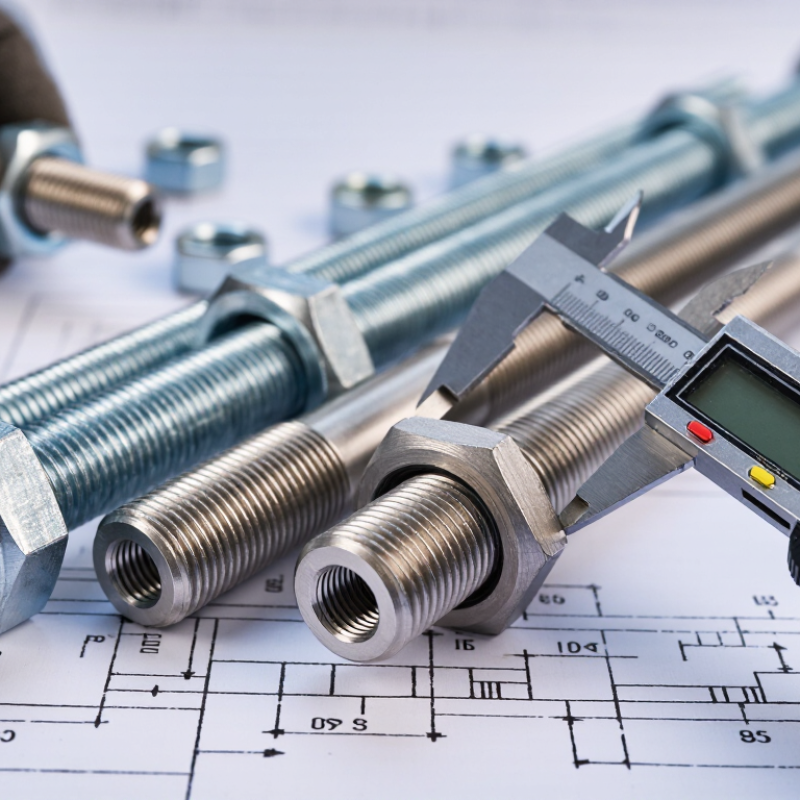
Before ordering, measure the required length and diameter with a caliper, then verify the thread specification against the project drawing. Check the manufacturer’s strength data, quality records, and applicable technical standards. A trustworthy supplier should identify material grade, dimensions, tolerances, and testing information clearly. Do not rely only on a polished finish or a low price. That assumption can become expensive.
The seven tips also address installation habits, load direction, environmental exposure, and inspection after assembly. Even experienced teams can overlook vibration or mixed-metal contact. A careful review may reveal that the first choice was convenient, not ideal. By comparing technical requirements with real site conditions, you can select a Thread Rod that provides stronger, safer, and more consistent service.
Define Load and Diameter Needs Using ASTM F1554 Grade 36 Yield Strength: 36 ksi
7 Tips for Choosing the Right Thread Rod
Define Load and Diameter Needs Using ASTM F1554 Grade 36 Yield Strength: 36 ksi
Choosing the right thread rod starts with the load, not the diameter. ASTM F1554 Grade 36 provides a minimum yield strength of 36 ksi. Yield strength is not the allowable design load. Calculate tension, shear, bending, and combined forces separately. Include the connected material, plate thickness, and thread engagement. Threads reduce the rod’s effective stress area. That detail is often missed.
Check the required diameter against the tensile stress area, not the outside thread diameter. Apply the project’s safety factors and account for installation tolerances. A longer rod may experience more bending during placement. Keep the rod aligned whenever possible. Small misalignment can create unexpected side loads. Very short threads are risky. Confirm full nut engagement and adequate edge distance.
Review the specification, heat identification, markings, and test reports before installation. Verify that the supplied material matches Grade 36 requirements. Inspect threads for damaged crests, deep corrosion, or contamination. Field conditions can change the calculation. Wet concrete, oversized holes, and uneven base plates deserve attention. Do not size by diameter alone. That shortcut seems efficient, but it can produce a weak connection. When loads are uncertain, document the assumptions and request a qualified structural review. Perfect calculations still depend on imperfect site information.
7 Tips for Choosing the Right Thread Rod? - Define Load and Diameter Needs Using ASTM F1554 Grade 36 Yield Strength: 36 ksi
Practical selection guide for ASTM F1554 Grade 36 anchor rods and threaded rod applications. Grade 36 specifies a minimum yield strength of 36 ksi; final selection should also consider connection design, embedment, corrosion exposure, installation method, and applicable engineering requirements.
| Tip | Selection Dimension | Relevant Grade 36 Data | How to Apply It | Verification Point | ||||||||||||||||||||||||||||
|---|---|---|---|---|---|---|---|---|---|---|---|---|---|---|---|---|---|---|---|---|---|---|---|---|---|---|---|---|---|---|---|---|
| 1 | Define the design load | ASTM F1554 Grade 36 has a minimum yield strength of 36 ksi, equal to approximately 248 MPa. | Identify the required tension, shear, combined loading, and any temporary or impact loads before selecting a diameter. | Use factored design loads or permitted service loads consistently with the governing structural design standard. | ||||||||||||||||||||||||||||
| 2 | Match diameter to tensile area | For a threaded fastener, tensile resistance is based on the thread tensile-stress area rather than the full outside diameter. | Use the correct thread series and tensile-stress area for the selected nominal diameter. A larger diameter generally provides greater tensile resistance. | Confirm the thread designation, pitch, class, and effective area from the applicable dimensional standard or manufacturer’s certified data. | ||||||||||||||||||||||||||||
| 3 | Use preliminary Grade 36 yield estimates | The following estimates use common UNC tensile-stress areas multiplied by 36 ksi:
| Select a trial diameter whose calculated yield load exceeds the required load, then complete the connection design. | These values are nominal yield-load estimates only. They are not allowable loads or final design capacities and do not include safety or resistance factors. | ||||||||||||||||||||||||||||
| 4 | Check embedment and anchorage | Rod strength alone does not determine anchor capacity. Concrete breakout, pullout, bond, edge distance, spacing, and embedment can control. | Review the base material, effective embedment depth, plate or nut arrangement, hole geometry, and load direction. | Confirm that the supporting concrete, masonry, or steel connection can transfer the required load without premature failure. | ||||||||||||||||||||||||||||
| 5 | Evaluate combined tension and shear | A rod exposed to both axial tension and transverse shear may have a lower usable capacity than a rod loaded in tension alone. | Calculate the interaction between tension, shear, bending, prying action, and any eccentricity in the connection. | Do not compare tension capacity and shear capacity independently when the actual load path produces combined forces. | ||||||||||||||||||||||||||||
| 6 | Specify material and installation details | ASTM F1554 Grade 36 is a material specification for anchor bolts and anchor rods. Rod configuration, threading, nuts, washers, and installation details must also be specified. | State the required grade, nominal diameter, thread type, length, end configuration, nut and washer requirements, and any required identification or testing. | Verify product markings, mill certificates, dimensions, thread quality, and installation torque or pretension requirements where applicable. | ||||||||||||||||||||||||||||
| 7 | Account for environment and service life | Corrosion can reduce the effective cross-section and affect thread fit. Galvanizing or other coatings may also influence dimensions and nut compatibility. | Select a corrosion-protection system suitable for moisture, chemicals, temperature, outdoor exposure, or embedded conditions. | Confirm coating compatibility, required coating thickness, thread allowance, inspection method, and whether the application requires stainless or specially protected components. |
Engineering note: The approximate yield loads in this table are calculated as tensile-stress area × 36 ksi. They exclude thread stripping, nut strength, bending, shear, fatigue, corrosion loss, concrete or masonry failure, installation effects, and design safety or resistance factors. A qualified design professional should verify the final rod diameter and connection details.
