
What Are AI Translation Earbuds and How Do They Work?
Ai Translation Earbuds promise a more natural way to communicate across language barriers. They look like ordinary wireless earbuds, yet they combine microphones, speech recognition, machine translation, and audio playback in a tiny device. When one person speaks, the earbuds capture the sound and send it to an app or built-in processor. The system identifies the language, converts speech into text, translates the meaning, and produces a spoken response. Some models also display translated text on a smartphone screen.
Alex Waibel, a leading speech-translation researcher and professor, has described speech translation as “the holy grail of speech technology.” His observation explains the ambition behind Ai Translation Earbuds. They are not simply listening devices. They attempt to preserve meaning, timing, and conversational flow. A traveler might hear a translated question while standing beside a busy train platform. A hotel employee might use them while helping a guest with a strong accent.
The technology still has limits. Background noise can distort words. Regional expressions may confuse the software. A short delay can make a conversation feel unnatural. Humor can arrive without its original warmth. That matters.
Reliable Ai Translation Earbuds should disclose whether translation happens online or offline. Users should also understand how voice recordings are processed and stored. Battery life, language coverage, microphone quality, and privacy controls deserve equal attention. The experience may feel impressive, but it is not perfect. Human patience remains part of the system.
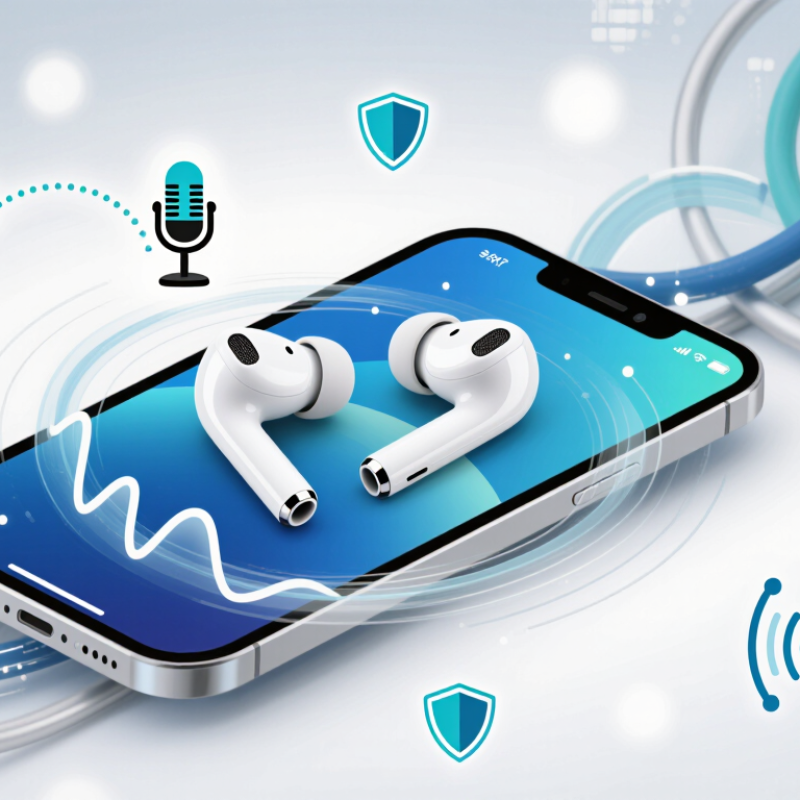
What Are AI Translation Earbuds?
What Are AI Translation Earbuds?
AI translation earbuds are small wireless devices that help people communicate across language barriers. They capture spoken words through built-in microphones. Artificial intelligence then identifies the language, converts speech into text, and translates its meaning. The earbuds play the translated sentence through a speaker or display it in a connected phone app.
The process often happens within seconds. During a café conversation, one person might speak Mandarin while another speaks English. The earbuds listen to each speaker, separate the voices, and produce an audio translation. Some systems use internet-based processing for stronger language models. Others support limited offline translation when no connection is available.
The experience is not always smooth. Background music, fast speech, or a heavy accent can confuse the microphones. A short pause may also feel awkward. Translation can change a polite phrase into something too direct. That matters in business, travel, and personal conversations. Users should check important details instead of trusting every sentence automatically.
Modern earbuds may also recognize punctuation, speaker turns, and common expressions. Battery life, supported languages, privacy settings, and connection stability affect daily usefulness. In my view, the most reliable use is practical and patient. Speak clearly. Keep noise low. Leave room for correction. The technology feels impressive, but it still misunderstands people sometimes.
