
Top 10 Benefits of Using Electric Golf Carts for Business?
In recent years, the use of Electric Golf Carts has gained traction in various business sectors. These eco-friendly vehicles provide numerous benefits that cater to both operational efficiency and sustainability. Businesses are increasingly recognizing the advantages of integrating electric carts into their daily operations.
One of the most notable benefits is cost savings. Electric Golf Carts typically have lower maintenance costs compared to traditional gas-powered vehicles. Additionally, they are quieter, which can enhance the experience for customers and employees alike. The zero-emission aspect also aligns with the growing trend of environmentally responsible business practices.
However, it’s essential to understand that transitioning to Electric Golf Carts may present challenges. For instance, ensuring a reliable charging infrastructure can be a concern. This highlights the need for careful planning and a thoughtful approach when considering such vehicles for business use. By weighing the pros and cons, companies can make informed decisions that foster growth and sustainability.
Advantages of Electric Golf Carts for Business Operations
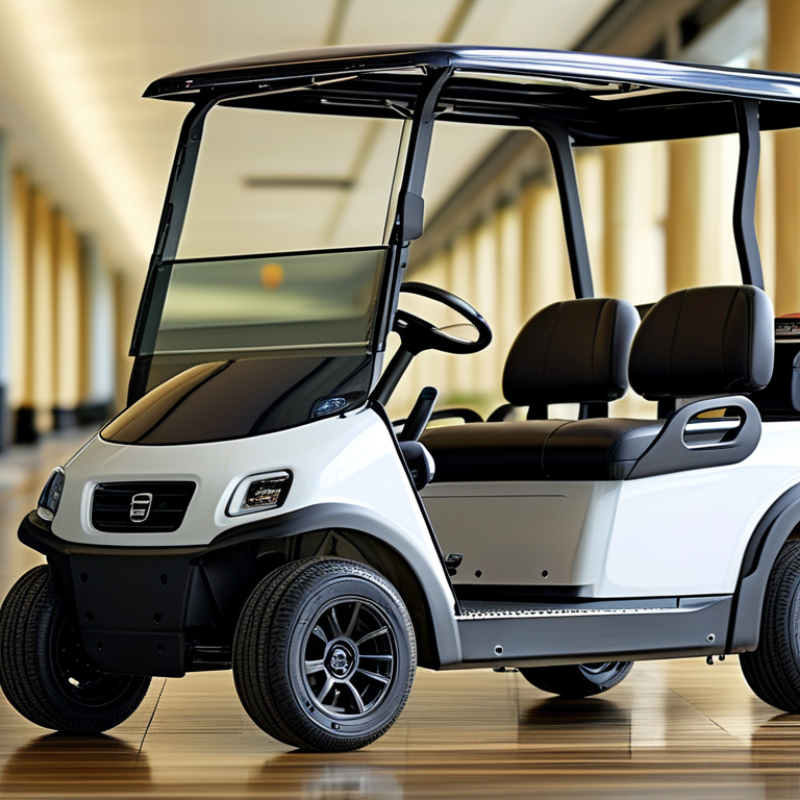
Electric golf carts offer a range of advantages for business operations, making them a practical choice for various industries. They are quiet and eco-friendly, significantly reducing noise pollution and carbon footprint. This energy efficiency helps companies align with sustainability goals while also saving on fuel costs. Utilizing electric carts can enhance a company's image, demonstrating a commitment to environmentally-friendly practices.
Moreover, electric carts can navigate tight spaces with ease, making them ideal for warehouses, resorts, and large event venues. Their compact size allows for efficient movement, maximizing productivity. Employees often find them easy to use, reducing the time spent on training. The low maintenance needs of electric carts are another appealing factor. Fewer moving parts mean reduced wear and tear, saving businesses on repair costs and downtime.
However, reliance on electric carts does come with challenges. Battery life can be an issue, particularly during high-demand periods. Companies must plan for charging stations and monitor usage closely. This means time spent on logistics that could be allocated elsewhere. While electric carts bring numerous benefits, businesses should reflect on their unique needs and how these vehicles fit into their overall strategy.
