
What Is the Best Circulating Pump for Heating Systems?
Choosing the best Circulating Pump for a heating system is rarely about buying the most powerful model. The right choice depends on pipe length, heat output, system resistance, water temperature, and control requirements. A small home radiator circuit may need a compact variable-speed pump. A larger underfloor heating system may require greater flow and carefully balanced zones. Pump curves matter more than attractive packaging. They show whether the unit can deliver suitable flow against real resistance. That distinction is easy to miss.
Practical evaluation should also consider noise, electricity use, maintenance access, and compatibility with the boiler or heat source. A pump that hums beside a bedroom can quickly become a daily annoyance. A highly efficient model may still perform poorly if air remains trapped in the system. Manufacturer data, installation instructions, certification, and local technical requirements should guide the final decision. A qualified heating professional can measure flow conditions and check electrical safety before installation. That adds confidence.
There is no universal winner. Even experienced installers can overlook an unusually long pipe run or a restrictive valve. I have learned that a quiet pump is not automatically the correct pump. Real systems behave differently from diagrams. Temperature changes, sludge, air, and poor balancing can alter performance. This guide compares important pump types, selection criteria, and common mistakes, helping readers make a more informed decision. The goal is dependable heat, controlled energy use, and comfortable rooms throughout the heating season.
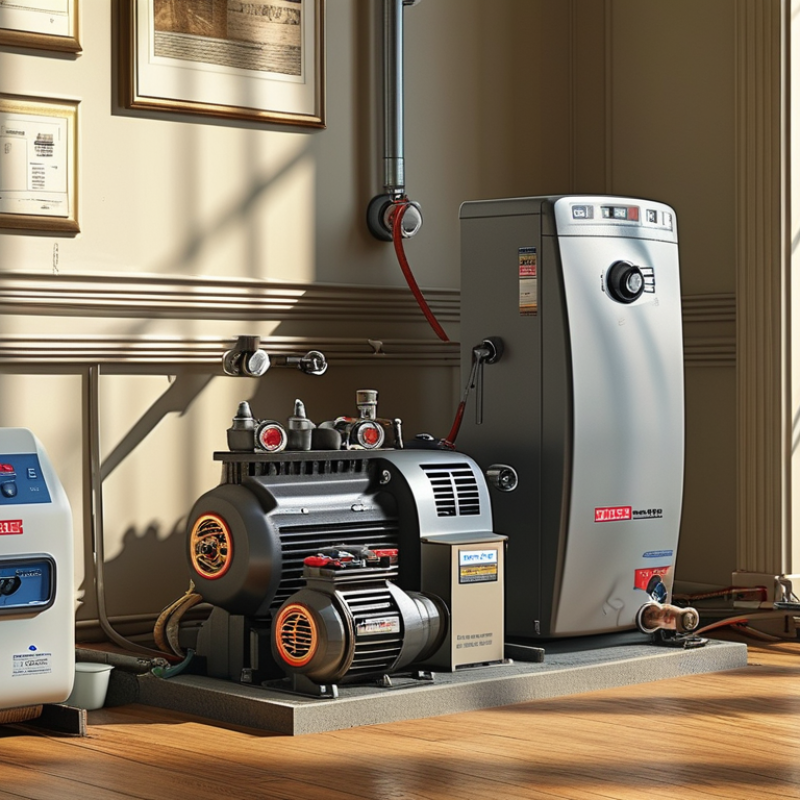
Types of Circulating Pumps Used in Heating Systems
What Is the Best Circulating Pump for Heating Systems?
The best circulating pump depends on the heating system’s flow rate, pipe length, and resistance. There is no single choice for every home. In practice, installers often compare wet-rotor, dry-rotor, fixed-speed, and variable-speed pumps.
Wet-rotor pumps are compact and quiet. The system fluid cools and lubricates their internal rotor. They suit many residential radiators and underfloor heating circuits. Dry-rotor pumps separate the motor from the water. They usually handle larger buildings, higher flow rates, and demanding commercial systems. Fixed-speed pumps maintain one operating level. They are simple, but they may waste electricity when heating demand changes. Variable-speed pumps adjust output as valves open or close. This can reduce noise and improve comfort, although incorrect settings can still cause weak circulation.
Tips: Measure the required flow and pump head before choosing a model. Check whether the system contains air, sludge, or excessive scale. These problems can make a good pump appear faulty. Also, match the pump to the water temperature and pipe connection size. A small error matters.
From field observations, variable-speed pumps often work well with thermostatic radiator valves. However, they are not automatically the best answer. An old system with blocked pipes may need cleaning first. I have also seen oversized pumps create rushing-water sounds. The quieter solution was sometimes a smaller pump and better balancing. Professional commissioning remains important, because pump settings are easy to overlook.
