
Which Electronic Power Transformer Is Best in 2026?
Which Electronic Power Transformer Is Best in 2026? The honest answer depends on the job. A unit designed for a compact solar inverter may not suit an industrial drive, medical device, or high-frequency converter. The right choice starts with operating conditions, not a bold efficiency claim.
Michael Faraday’s work on electromagnetic induction helped establish the principles behind transformers. He wrote, “Nothing is too wonderful to be true, if it be consistent with the laws of nature.” That is a useful standard for comparing today’s designs. Check the datasheet against real measurements: winding temperature under load, core losses, switching frequency, insulation rating, and performance during voltage changes. Look for independent test results and clear documentation of applicable safety requirements. Small details matter. A warm enclosure, persistent acoustic hum, or unexpected ripple can signal trade-offs that a headline specification misses.
This guide compares transformer types and selection criteria for 2026, including efficiency, size, thermal management, reliability, and total operating cost. It also explains why no single model wins in every application. A laboratory result may not predict years of service in a hot, dusty cabinet. That caveat matters. Even a careful comparison can miss a site-specific constraint, so verify critical ratings with the manufacturer and a qualified electrical engineer. The aim is not to crown a universal winner, but to identify the Electronic Power Transformer that fits your load, environment, and design priorities—with evidence, not guesswork.
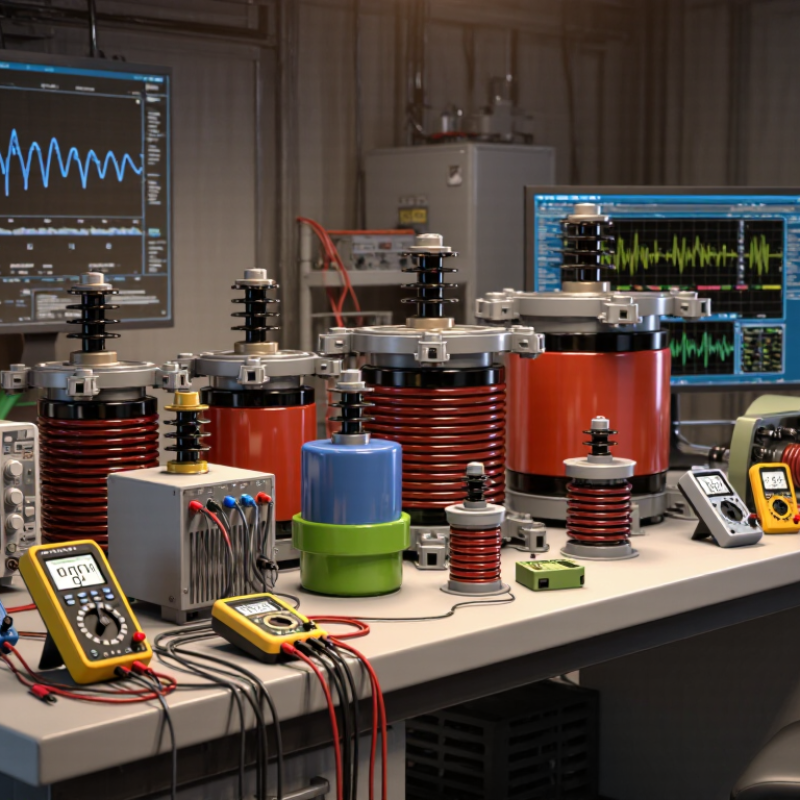
What an Electronic Power Transformer Does and How It Works
An electronic power transformer converts electrical energy while actively controlling voltage, current, and sometimes frequency. Unlike a conventional transformer, which relies mainly on magnetic coupling between windings, many electronic designs use power switches and control circuits. The exact architecture varies. The name can be confusing.
In a typical design, incoming AC is rectified into DC. Semiconductor switches then create a high-frequency waveform that passes through a smaller transformer. The output is rectified or inverted to suit the load. That matters. High-frequency operation can reduce transformer size, while electronic control can help regulate output as demand changes.
Sensors monitor conditions such as voltage, current, and temperature. Control software adjusts switching, and protective circuits may respond to overloads or overheating. On a workbench, the difference is visible in the components: a compact magnetic core beside heat sinks and circuit boards. Heat is real. So is electrical noise, which designers must manage carefully. Isolation also depends on the particular design, so it should never be assumed from the name alone.
For a real installation, efficiency at the expected load, cooling, waveform quality, and compatibility with connected equipment all deserve attention. A small unit may fit a cabinet neatly but struggle in a hot, dusty space. “Best” depends on those conditions, and the label alone does not tell the whole story.
