
What Is the Best PVC Profile Mixer in 2026?
Choosing the best Pvc Profile Mixer in 2026 requires more than comparing motor power or purchase price. Profile producers now face tighter energy targets, unstable additive costs, and demanding surface-finish requirements. A mixer that looks impressive on paper may still produce uneven dry blends, hot spots, or excessive dust.
Grand View Research and Mordor Intelligence both identify automation, energy efficiency, and process consistency as major themes in plastics-processing machinery. Their market analyses also show continuing investment in modern equipment and production upgrades. These findings matter for PVC profile manufacturers. A reliable mixer should deliver stable heating, controlled cooling, repeatable torque, and clean discharge during long production runs.
“Extrusion is a process, not a machine,” says extrusion specialist Dr. Chris Rauwendaal. His observation applies directly to mixer selection. The mixer, extruder, formulation, and operator must work as one system. A high-speed unit cannot compensate for poor temperature control or inaccurate dosing. Not always.
This guide compares the factors that genuinely influence performance, including batch capacity, rotor design, thermal control, mixing time, maintenance access, and after-sales support. It also considers practical details, such as powder buildup around the lid, noisy bearings, and cleaning time between formulations. These details affect real factory costs. They are easy to underestimate.
There is no universal winner. The best Pvc Profile Mixer depends on resin formulation, profile geometry, production volume, and available floor space. This comparison uses published market research, technical principles, and realistic operating concerns. Some conclusions remain cautious, because supplier claims are not always supported by independent trials. That limitation deserves attention.
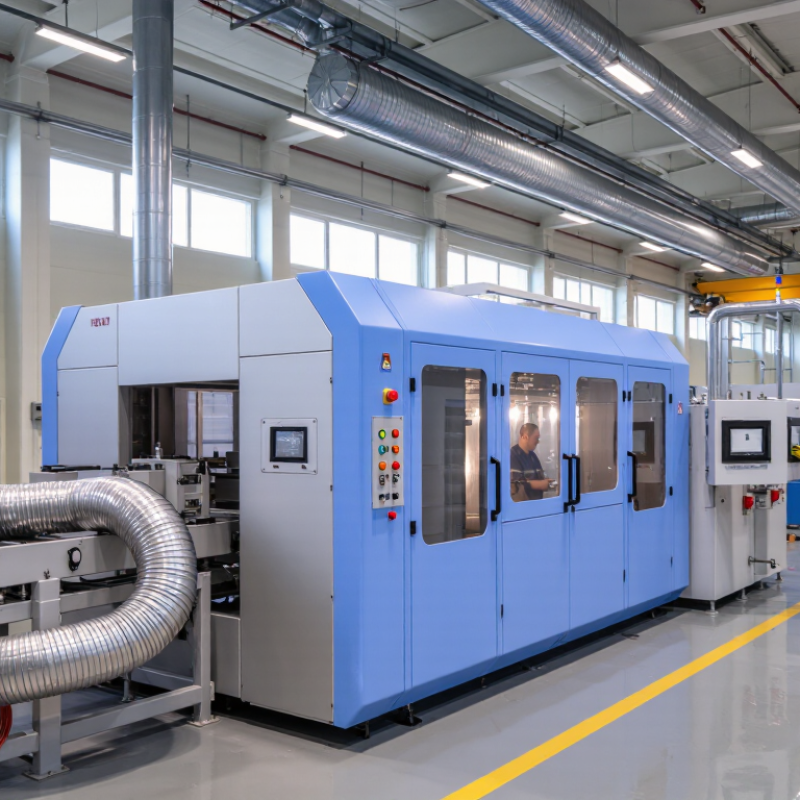
What Is a PVC Profile Mixer and Why Does It Matter in 2026?
What Is a PVC Profile Mixer and Why Does It Matter in 2026?
A PVC profile mixer combines resin, stabilizers, pigments, lubricants, and modifiers into a consistent dry blend. This material later enters an extruder and becomes window frames, pipes, or construction profiles. The mixer controls heat, moisture, dispersion, and batch uniformity. Small variations can create streaks, weak corners, or unstable extrusion.
In 2026, a reliable mixer needs more than a large motor. Operators should examine mixing speed, cooling efficiency, discharge time, and cleanout access. Torque monitoring can reveal unusual loads before they damage equipment. Temperature sensors also help protect heat-sensitive additives. During production evaluations, I would compare several batches, not just one. Consistent color and bulk density matter more than impressive brochure figures.
Energy use has become a practical selection factor. Efficient drive systems and shorter cycles can reduce operating costs across thousands of batches.
Automated dosing and batch records improve traceability, especially when recycled material is included. Still, automation is not always the answer. A complicated control system may slow a small factory when technicians lack proper training. That weakness is easy to overlook.
The best PVC profile mixer depends on formulation, output, floor space, and maintenance skills. A trial with the actual compound remains essential. Ask for measurable results. Fancy screens are not proof.
