
China Top Milling Cutters Manufacturers for Global Buyers
China has become a major source of precision cutting tools for global manufacturers. Gardner Intelligence’s 2023 World Machine Tool Survey identifies China as the world’s largest machine-tool producer and consumer. This industrial scale supports extensive Milling Cutters production, testing, and export capacity. It also creates strong competition among Chinese suppliers.
Global buyers now evaluate more than price. The International Federation of Robotics reported continued growth in factory automation during its World Robotics 2024 publication. Automated machining demands stable tool geometry, predictable wear, and repeatable coating performance. A cutter that performs well during one trial may still fail under continuous production. Details matter.
This guide examines China’s leading Milling Cutters manufacturers through practical purchasing criteria. These include carbide grade, flute design, coating technology, dimensional tolerance, inspection systems, and export experience. ISO 13399 provides a recognized framework for cutting-tool data representation. Buyers should still verify each supplier’s test records, material certificates, and application support. No supplier ranking is flawless. Product claims can also appear stronger than the evidence behind them.
Field experience shows that tool life depends on more than the cutter itself. Spindle stability, coolant delivery, workpiece hardness, and cutting parameters can change results dramatically. Therefore, this overview combines manufacturer capabilities with evidence-based evaluation methods. It aims to help distributors, OEMs, and machining companies compare Chinese suppliers with greater confidence. Some conclusions may require further validation. That is a reasonable part of responsible sourcing.
Types of Milling Cutters Produced by Chinese Manufacturers
China Top Milling Cutters Manufacturers for Global Buyers
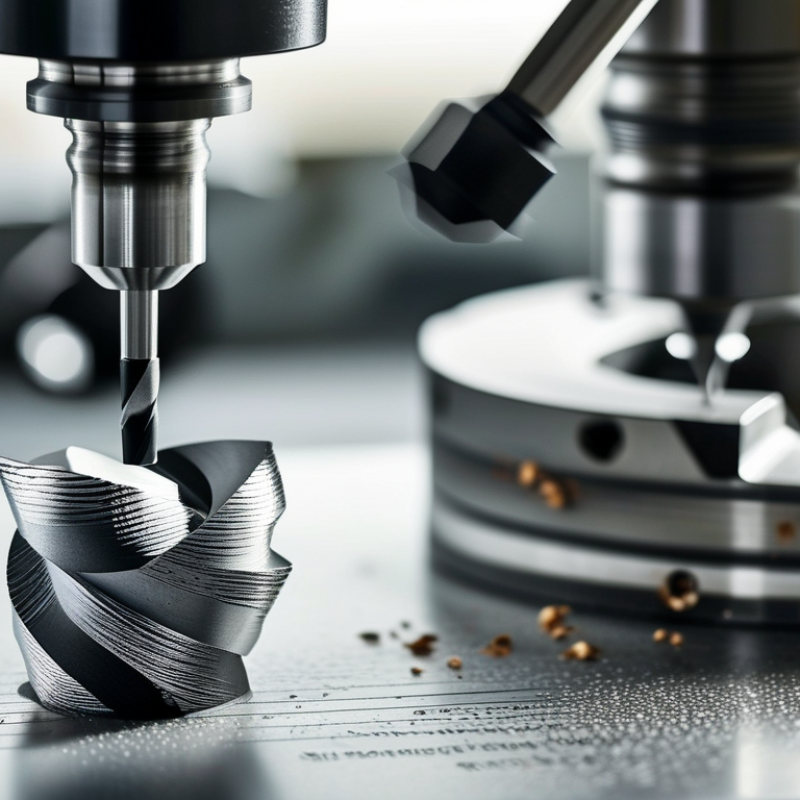
Chinese manufacturers produce a broad range of milling cutters for metalworking, mold making, and precision machining. Common options include end mills, face mills, ball nose cutters, slot drills, roughing mills, and dovetail cutters.
Many factories offer carbide, high-speed steel, and coated tools. Carbide cutters suit hard materials and high-speed CNC operations. High-speed steel remains useful for lower-speed work and easier regrinding. Roughing cutters remove material quickly through specialized flute designs. Finishing cutters use sharper edges for cleaner surfaces.
However, tool performance depends on more than material. Diameter, helix angle, flute count, coating, and machine stability all matter. A specification can look complete, yet still produce poor results.
Tips: Match the cutter to the workpiece first. Check hardness, cutting depth, spindle speed, and coolant conditions. Request inspection records, dimensional tolerances, and sample testing before large orders. Ask about edge consistency across production batches. Small defects can become visible on polished mold surfaces. Experienced buyers should also compare actual tool life, not only purchase price. Some assumptions fail in real workshops. That is worth reviewing.
