How to Choose the Right Water Analysis Instrument for Your Needs?
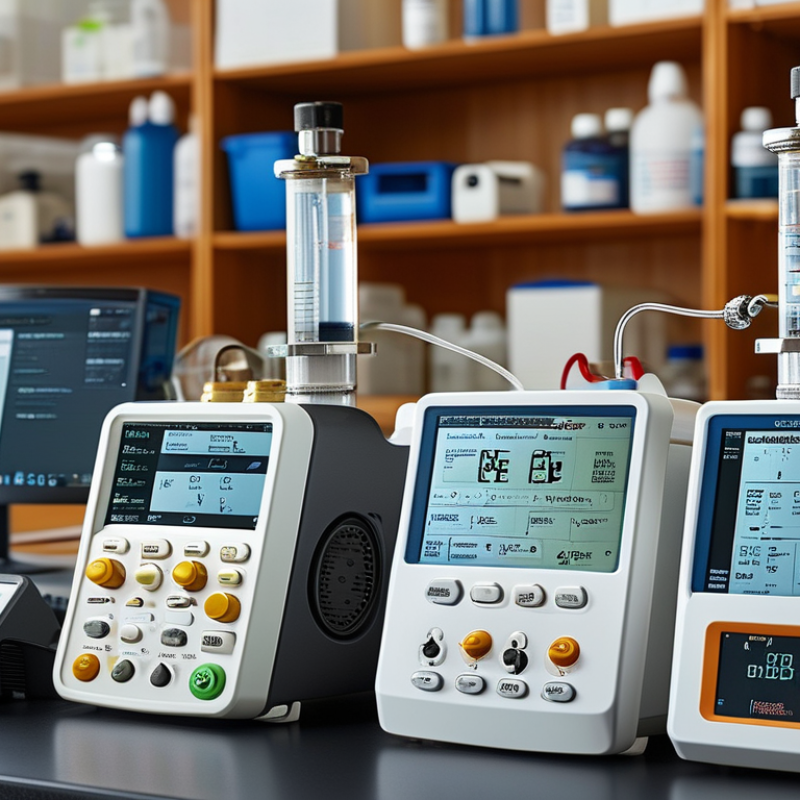
Choosing the right Water Analysis Instrument can often feel overwhelming. The market is flooded with options, each promising accuracy and reliability. However, identifying the best fit for specific needs requires thoughtful consideration.
Different applications demand distinct features. For instance, a laboratory may need high-precision instruments, while field testing might prioritize portability. Inadequately assessing your requirements can lead to costly mistakes. It’s crucial to ask the right questions. What parameters do you need to test? How often will you use it? These considerations help narrow down choices.
Moreover, understanding the technology behind these instruments enhances decision-making. Familiarize yourself with terms like conductivity, pH, and turbidity. This knowledge empowers you to select an analyzer that meets your expectations. Balancing expertise and practicality is vital in this process.
Understanding Different Types of Water Analysis Instruments
When selecting a water analysis instrument, understanding the types available is crucial. There are several instrument categories to consider. Field meters are portable and handy for on-site tests. They often measure parameters like pH, turbidity, and dissolved oxygen. Their convenience can be a double-edged sword; while they offer immediate results, they may lack precision.
Laboratory analyzers, on the other hand, provide in-depth analysis. They can identify trace contaminants and offer detailed chemical profiles. However, they require more time to operate and maintain. Operators must be trained to ensure accuracy and reliability. Regular calibration is essential; a miscalibrated instrument can lead to misleading results.
Multimeters are versatile devices, measuring multiple parameters simultaneously. They save time but can be complex. Users might feel overwhelmed by features. Additionally, instruments that are user-friendly often give up some advanced capabilities. It’s important to balance accessibility with functionality, ensuring the chosen instrument meets specific analytical needs without causing frustration.
Key Factors to Consider When Selecting Water Testing Equipment
Choosing the right water analysis instrument requires careful consideration of several key factors. First, you need to identify the specific parameters you wish to measure. These can range from pH levels to the presence of contaminants like heavy metals or bacteria. Understanding your primary testing needs allows you to narrow down your options effectively.
Next, assess the instrument’s accuracy and precision. Not all devices measure equally well under various conditions. Lower-end models may not deliver reliable results, while high-end instruments might have features you won't use. Calibration ease is also important. Instruments that require frequent adjustments can disrupt your workflow.
Lastly, consider the usability of the equipment. Some may be too complex for regular users. Training needs can accumulate costs and time. Think about maintenance and support options. Equipment that’s hard to maintain can lead to frustration later. Finding a balance between advanced features and simplicity will ultimately guide you to the ideal instrument for your needs.
Assessing Accuracy and Reliability of Water Analysis Tools
When selecting water analysis instruments, accuracy and reliability are crucial. A recent report by the Water Quality Association shows that 80% of water testing failures are due to inaccurate measurements. Ensuring your instrument meets accuracy standards can save time and resources in the long run. Instruments should be tested against recognized standards such as those from the American National Standards Institute (ANSI).
Reliability also plays a vital role in obtaining trustworthy results. According to a survey published in Environmental Science & Technology, 70% of water testing professionals emphasize the importance of consistent performance. Look for devices that offer a low margin of error. Frequent calibration and maintenance are essential to maintain accuracy over time. Neglecting this may lead to false conclusions about water quality.
Many users underestimate the importance of rigorous testing protocols. Inconsistent methods can skew results, impacting public health and safety. Dialing in on a reliable method tailored to specific needs can mitigate risks. The goal should be to incorporate both solid data collection methods and reliable instruments for optimal results.
Budgeting for Water Analysis Instruments: Cost vs. Benefit
When choosing water analysis instruments, budgeting plays a crucial role. It is essential to evaluate what you truly need. Some instruments may seem cost-effective upfront but lack essential features. Balancing cost and benefit requires careful consideration. Think about the longevity and reliability of the instrument. A higher initial investment might save you money in the long run.
Consider the specific requirements of your water analysis. If you need precise measurements, it may be worth spending more. However, many budget-friendly options offer decent performance for less demanding tasks. Don't rush your decision. Gather all necessary data and evaluate multiple options. Mistakes can be costly, and it is better to conduct thorough research first.
Reflecting on previous purchases can also provide insights. Did a cheaper device fail after a short time? Did a more expensive option provide significant benefits? Learning from experience can guide better choices. Ultimately, the right balance of cost and performance depends on your specific needs and goals. Investing time in this process can lead to a more informed and effective decision.
This chart illustrates the cost comparison of various water analysis instruments, helping you to budget effectively based on your needs.
Maintenance and Calibration: Ensuring Longevity of Your Instruments
Maintenance and calibration of water analysis instruments are critical for accurate results. Routine maintenance ensures that your instrument operates efficiently. Regularly check for any physical damage and clean the components as necessary. Calibration should occur frequently based on manufacturer guidelines and usage frequency. This process adjusts the instrument to account for any fluctuations in performance.
Neglecting maintenance can lead to unexpected errors in readings. This not only compromises the data but could waste time and resources. Users should create a maintenance schedule tailored to their specific instrument and usage conditions. Additionally, maintaining accurate records of all calibration and maintenance routines can provide insight into patterns of wear and potential issues.
Training staff on proper maintenance techniques is often overlooked. Knowledgeable personnel can identify problems early, preventing costly repairs or replacements. Understanding the manufacturer's instructions can greatly enhance the longevity and reliability of the instrument. Regular reviews of the maintenance process can reveal areas for improvement and adaptation.
How to Choose the Right Water Analysis Instrument for Your Needs? - Maintenance and Calibration: Ensuring Longevity of Your Instruments
| Instrument Type | Parameters Analyzed | Maintenance Frequency | Calibration Requirements | Typical Cost (USD) |
| pH Meter | pH, Temperature | Monthly | Every 6 months | 100-300 |
| Turbidity Meter | Turbidity, Suspended Solids | Monthly | Annually | 200-500 |
| Conductivity Meter | Conductivity, TDS | Monthly | Every 12 months | 150-400 |
| Dissolved Oxygen Meter | DO, Temperature | Bi-Monthly | Every 6 months | 250-600 |
| Total Organic Carbon Analyzer | TOC, COD | Quarterly | Every 12 months | 1000-3000 |