How to Choose a Screw Dry Vacuum Pump in 2026?
Choosing a Screw Dry Vacuum Pump in 2026 requires more than comparing ultimate pressure and catalogue price. The right pump must match the process, gas load, operating cycle, and maintenance expectations. A semiconductor chamber, chemical reactor, and vacuum packaging line create very different demands.
John F. O’Hanlon, author of A User’s Guide to Vacuum Technology, offers a practical reminder: “Vacuum performance depends on the entire system, not the pump alone.” This principle remains highly relevant. A pump may reach an impressive pressure in laboratory conditions, yet perform poorly when exposed to moisture, solvents, dust, or frequent cycling.
Look closely at the details. Check pumping speed at your actual working pressure, not only at the rated peak. Examine rotor materials, corrosion resistance, cooling requirements, noise levels, and power consumption. Ask whether the manufacturer provides verified performance curves, service intervals, spare-parts access, and application references. These details often matter more than a polished brochure.
There is no universal winner.
A larger Screw Dry Vacuum Pump may offer reserve capacity, but it can waste energy during light operation. A compact model may reduce cost, yet struggle during sudden gas surges. I would also question simplified claims about “maintenance-free” operation. Every rotating machine needs inspection, even when the design is oil-free.
This guide explains how to compare pump technologies, evaluate supplier evidence, and avoid common selection mistakes. The final decision should reflect measured process conditions, credible technical support, and the consequences of unexpected downtime.
What Is a Screw Dry Vacuum Pump and How Does It Work?
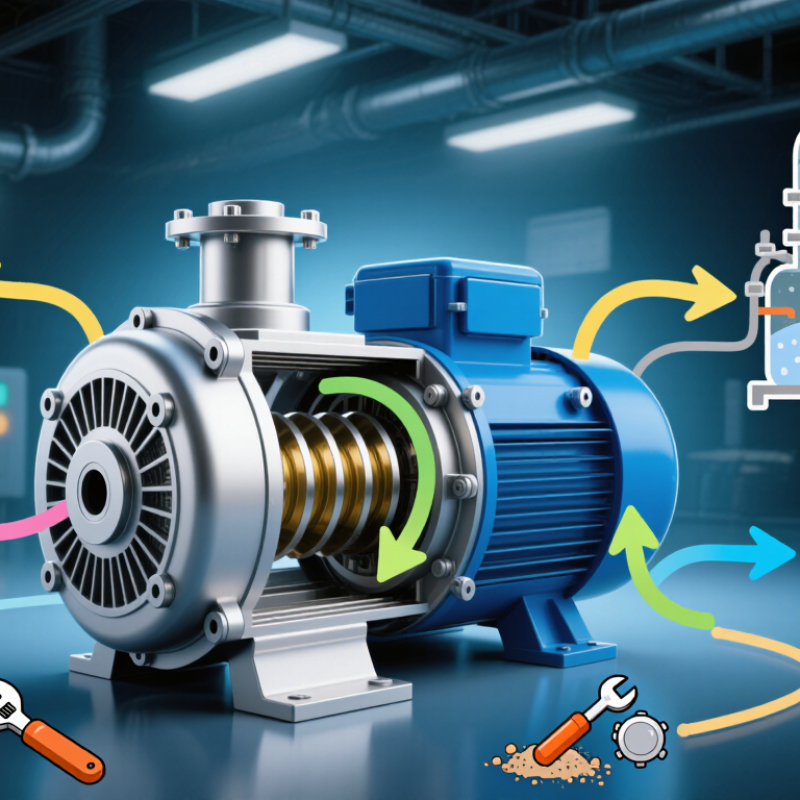
A screw dry vacuum pump removes gas without oil entering the compression chamber. Inside its housing, two precisely machined screw rotors turn in opposite directions. Their shaped threads create sealed pockets between the rotors and chamber wall. As the rotors spin, these pockets carry gas from the inlet toward the exhaust.
The compression happens continuously. Gas volume decreases along the rotor length, so pressure rises before discharge. The rotors normally operate without touching each other. This design reduces friction, limits oil contamination, and supports cleaner vacuum conditions. It also handles many industrial processes that produce vapors, dust, or light chemical loads. However, “dry” does not mean maintenance-free. That distinction matters.
In practical selection, check the required ultimate pressure, pumping speed, inlet temperature, and process gas composition. A purge system can help protect internal surfaces from condensable vapors. Cooling capacity matters too, especially during long operating cycles. Poorly controlled vapor loads may condense inside the pump and reduce performance. Real systems are messier. I have seen specifications look adequate until moisture, powder, or frequent starts changed the operating result.
A screw pump can be powerful. It can also be sensitive. Review the exhaust arrangement, filtration needs, noise level, and service access before choosing a model. Confirm performance data under conditions close to your process, not only ideal laboratory conditions. That extra check often prevents an expensive mismatch.
Which Vacuum Requirements Should You Define Before Choosing?
Before choosing a screw dry vacuum pump, define the vacuum level your process truly needs. Specify ultimate pressure, normal operating pressure, and acceptable recovery time. A laboratory test may reach a low pressure, yet production conditions can behave differently. Measure gas flow, chamber volume, cycle frequency, and expected leakage. Small leaks become expensive at high throughput.
Describe the gas load in practical terms. Include moisture, solvents, dust, corrosive vapors, and condensable materials. State inlet temperature and the likely amount of liquid entering the pump. These details affect screw clearance, corrosion resistance, filtration, and purge requirements. Do not rely on the phrase “dry process” alone. It can hide difficult conditions. In commissioning work, unexpected condensation is a common source of performance loss.
Check daily operating hours, start-stop frequency, noise limits, available power, cooling water, and installation space. Ask how the pump will be cleaned and how often service is realistic. A technically suitable pump may still fail operationally if maintenance access is poor. Define measurable acceptance criteria, such as pressure stability, pumping speed at a stated pressure, and allowable oil carryover. Be precise, but leave room for review. Your first estimate may be wrong. Revised data is better than confident guesswork.
How to Choose a Screw Dry Vacuum Pump in 2026?
Define the required operating pressure before comparing pump capacity. The representative process points below show why vacuum level, gas load, vapor content, and contamination risk must be specified together.
Operating pressure
Specify the normal working pressure and the lowest pressure required during the cycle.
Pumping speed
State the required gas removal rate at the actual operating pressure, not only the nominal rating.
Gas and vapor load
Include air leakage, process gas, solvent vapor, water vapor, temperature, and expected peak loads.
Contamination tolerance
Identify dust, condensable vapor, corrosive compounds, and whether gas ballast or inlet protection is needed.
Pressure values are representative engineering duty points in absolute millibar. Actual selection should be verified against the complete process gas load, temperature, leakage rate, and required cycle time.
What Materials and Features Suit Your Process Conditions?
How to Choose a Screw Dry Vacuum Pump in 2026?
Material selection should follow the process chemistry, not the catalog headline. For corrosive gases, 316L stainless steel flow paths offer stronger resistance than ordinary steel. Chlorine, fluorine compounds, and acidic vapors still require coating and elastomer compatibility checks. PTFE seals suit many aggressive chemicals, while FKM may perform better with selected solvents and moderate temperatures. Never assume “stainless steel” means universal protection. Process temperature, concentration, and exposure time can change the result.
Wet loads need a gas ballast, controlled purge, and effective condensate management. Abrasive powders require wider clearances and wear-resistant surfaces. Semiconductor and pharmaceutical users should also examine particle control and cleanability under ISO 14644-1 principles. A 2024 vacuum technology survey by the German Mechanical Engineering Industry Association highlights rising demand for oil-free pumping in clean production environments. That trend matters, but it does not replace site testing.
Energy deserves attention. The International Energy Agency’s Energy Efficiency 2023 report estimates that electric motor systems consume roughly half of global electricity. Variable-speed control can reduce unnecessary running power during changing loads. In practice, however, poor tuning may increase heat and shorten service life. I would test ultimate pressure, pumping speed, noise, purge consumption, and restart behavior with real process gases. The overlooked detail is often maintenance access. A pump that is difficult to clean may become expensive, even when its specifications look excellent.