How to Choose an HDD Horizontal Drilling Machine in 2026?
Choosing an HDD rig in 2026 is not just a matter of buying the machine with the highest pullback rating. Hdd Horizontal Drilling projects vary with soil, bore length, utility density, and available work space. A compact urban installation may need a different setup from a long road crossing. Small details matter: rod length, locating accuracy, drilling-fluid capacity, and room for support equipment.
Risk deserves equal attention. The Common Ground Alliance’s 2024 DIRT Report tracks underground utility damage incidents and highlights why careful planning and locating remain essential. Its findings do not select a rig for you, but they remind buyers that jobsite conditions can change the real cost of a machine. A spec sheet can mislead. It rarely describes muddy access, tight staging areas, or the time needed to service equipment between bores.
Compare thrust and pullback capacity against realistic project requirements, then check torque, rod handling, tracking-system compatibility, and local service support. Ask dealers for comparable job references and written maintenance details. The right machine should fit the work you actually bid, not an imagined maximum-capacity project. That sounds simple. It isn’t. Soil reports can be incomplete, and production estimates can prove optimistic. Treat them as assumptions, verify them against field experience, and leave room for change.
Define Project Requirements, Site Conditions, and Drilling Scope
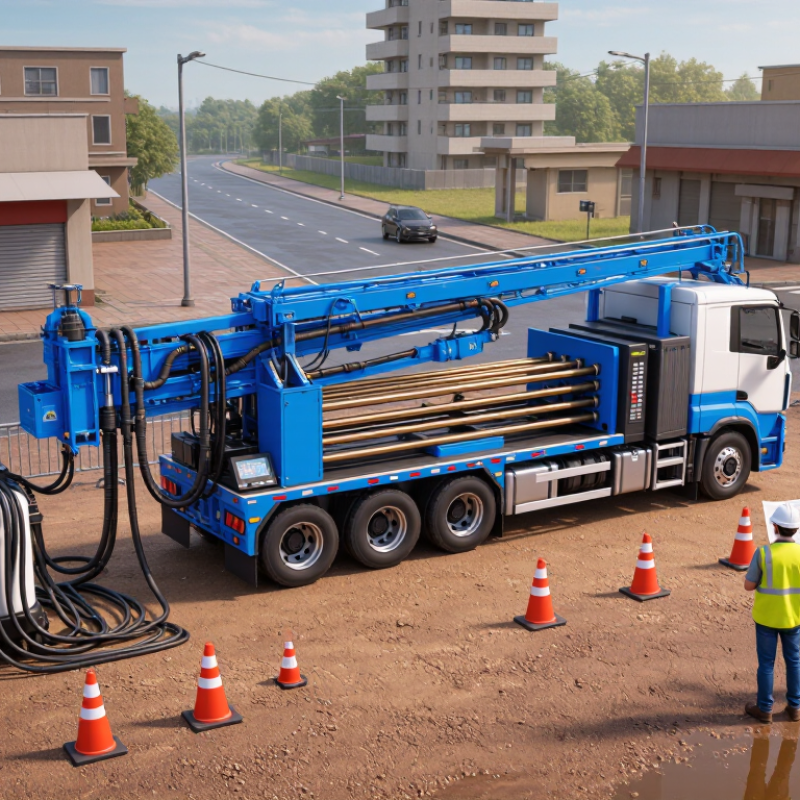
Before choosing an HDD horizontal drilling machine, define the bore rather than starting with machine capacity. Record the required length, finished pipe diameter, entry and exit points, and acceptable deviation. A 90-meter crossing beneath a paved road creates different demands from a short service connection. Include the pipe material and pullback load in your planning. Guessing here can lead to an undersized rig—or equipment that is harder to transport and set up than the job requires.
Site conditions can change the choice. Review available soil reports, groundwater information, nearby utilities, and access for the rig, support equipment, and drilling fluid. Clay, gravel, and mixed ground may behave differently, so ask an experienced operator to check assumptions against local observations. Measure the setup area, too. A machine may meet the bore specification but not fit safely beside a narrow road. That detail is easy to miss. Define the drilling scope clearly: pilot bore, reaming stages, pipe pullback, and surface restoration responsibilities. Then compare thrust, pullback force, torque, and rod handling with that scope. These numbers matter, but they cannot remove uncertainty. Some site details will remain unclear until work begins. Note those uncertainties before selecting equipment, and decide how the crew will respond if ground conditions differ from the plan.
