
10 Drywall Screw Tips for Choosing the Right Type
A clean drywall finish starts with a small decision that is easy to overlook: choosing the right Drywall Screw. The screw must suit the board’s thickness, the framing material, and the job site. A fastener that is too short may not grip securely, while one that is too long can damage hidden wiring or plumbing. Small details matter. Thread style, length, head shape, coating, and point design all affect how smoothly a screw drives and how well it holds.
Coarse-thread screws generally suit wood framing, while fine-thread versions are commonly used with metal studs. That is a helpful starting point, not a substitute for checking product guidance. Match screw length to the drywall layers and framing, and use a driver setting that seats the head without tearing the paper face. On a real wall, even a few overdriven screws can mean extra filling and sanding. It is easy to focus only on speed; I would also consider how the finished surface will look under side lighting.
The right choice depends on the materials and conditions, so no single screw works for every project. These ten practical tips explain what to check before buying, how to compare common types, and where installation mistakes tend to happen. They also highlight when manufacturer instructions deserve a second look. A little uncertainty is useful here: if the framing, board, or environment differs from the usual setup, pause and verify the specifications rather than guessing.
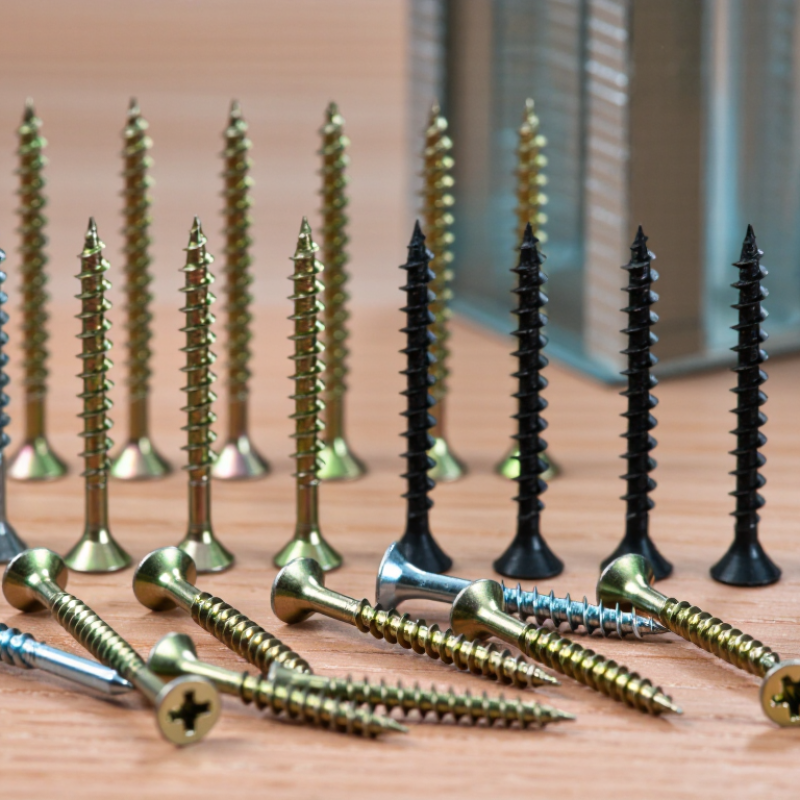
Drywall Screw Types and Their Core Differences
10 Drywall Screw Tips for Choosing the Right Type
Drywall Screw Types and Their Core Differences
Choosing the right drywall screw begins with the framing material. Coarse-thread screws grip wood studs securely and reduce slipping during installation. Fine-thread screws suit metal studs because their sharper threads cut through thinner steel. For heavier metal framing, self-drilling screws can pierce the stud without a separate pilot hole.
The head design also matters. A bugle-shaped head spreads pressure and helps the screw sink into drywall without tearing the paper face. Standard drywall screws usually have a dark phosphate coating for indoor, dry areas. Moisture-resistant locations need screws approved for that environment, not ordinary interior fasteners. Cement board requires specialized corrosion-resistant screws, which are different from drywall screws.
Size affects holding power. A 1 1/4-inch screw often works for one drywall layer over standard framing. Thicker assemblies may require longer screws, but excessive length can damage pipes or wiring. Keep the screw slightly below the surface. Do not break the paper.
From installation experience, coarse-thread screws can feel faster in wood, but they may over-grip soft framing. Fine-thread screws can strip if driven too aggressively. I still check the substrate before opening a box, because assumptions cause avoidable repairs. A clutch-controlled driver and the correct bit improve consistency, although even careful work sometimes leaves a few imperfect dimples.
