
What Is a Dispenser Pump and How Do Pump Solutions Work?
A dispenser pump is a small mechanical device with a practical job: moving a measured amount of liquid from a container to a user’s hand. Pressing the actuator creates pressure inside the pump chamber. That pressure opens an internal valve and pushes product through the nozzle. When released, the spring resets the mechanism and prepares it for another dose.
The process looks simple. It is not always simple. Viscosity, temperature, bottle design, and dip-tube length can change performance. A thin hand sanitizer may flow quickly, while a thick lotion needs stronger spring action and wider passages. During product testing, technicians often check dose consistency, leakage, priming time, and the number of usable strokes. These details reveal whether a pump works reliably beyond the first few presses.
Dispensers Pump Solutions cover more than the pump itself. They may include closures, bottles, dosing systems, refill components, and application guidance. A suitable solution should match the product’s formula, packaging material, user habits, and production requirements. Material compatibility matters, especially when formulas contain oils, alcohol, fragrances, or abrasive particles. No pump is perfect.
A dependable evaluation also considers cleaning, transport, storage, and end-of-life handling. Small design flaws can create wasted product, messy workspaces, or customer frustration. This guide explains how dispenser pumps operate, how manufacturers assess them, and why choosing the right configuration requires careful testing rather than assumptions.
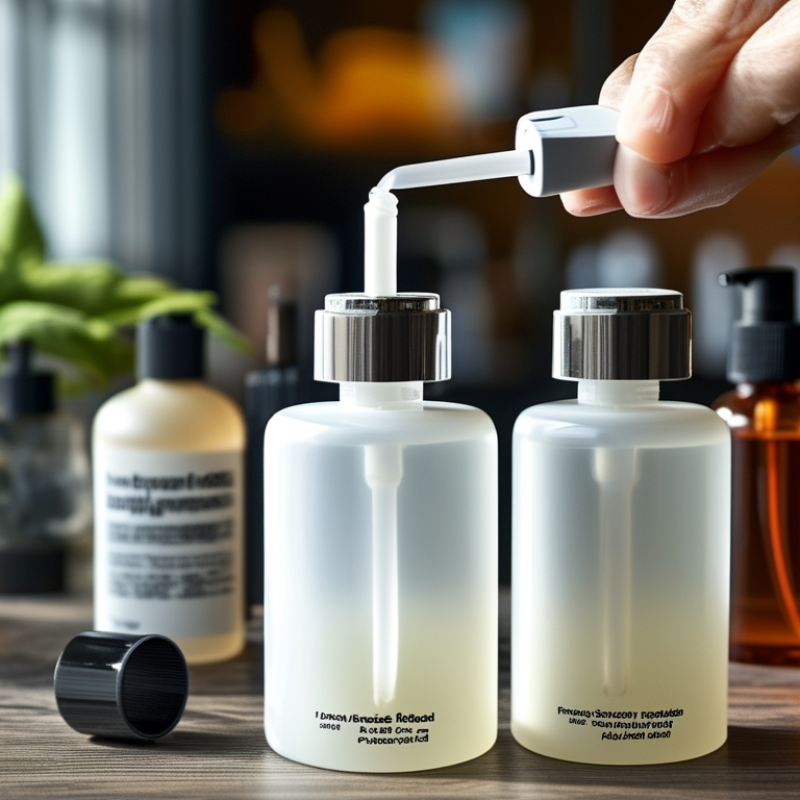
What Is a Dispenser Pump and What Are Its Main Components?
A dispenser pump is a mechanical device that releases a measured amount of liquid with each press. It appears simple, but every component affects performance. The actuator is the top button touched by the user. Beneath it, the pump head connects to a piston or stem. A spring returns the head after dispensing. Seals help prevent leaks and protect the liquid from outside air.
Inside the housing, a small chamber fills when the actuator rises. Pressing the actuator reduces chamber volume and pushes liquid through the outlet nozzle. A dip tube carries product from the container’s bottom to the chamber. Check valves control the flow direction. If these valves close poorly, the pump may drip, lose its prime, or deliver uneven doses. In practical testing, thick lotions often need wider passages and stronger springs. Still, matching the pump to the formula is not always predictable. Temperature can change viscosity, so one test is rarely enough.
Tips: Check the dip tube length before assembly. It should reach near the container’s base without bending sharply. Press the actuator slowly during testing. Rapid pressing can create foam and make the dose appear inaccurate. Inspect the seal after repeated use. Small leaks often reveal wear before complete failure.
