10 Essential Tips for Choosing the Right Wheelchair Elevator
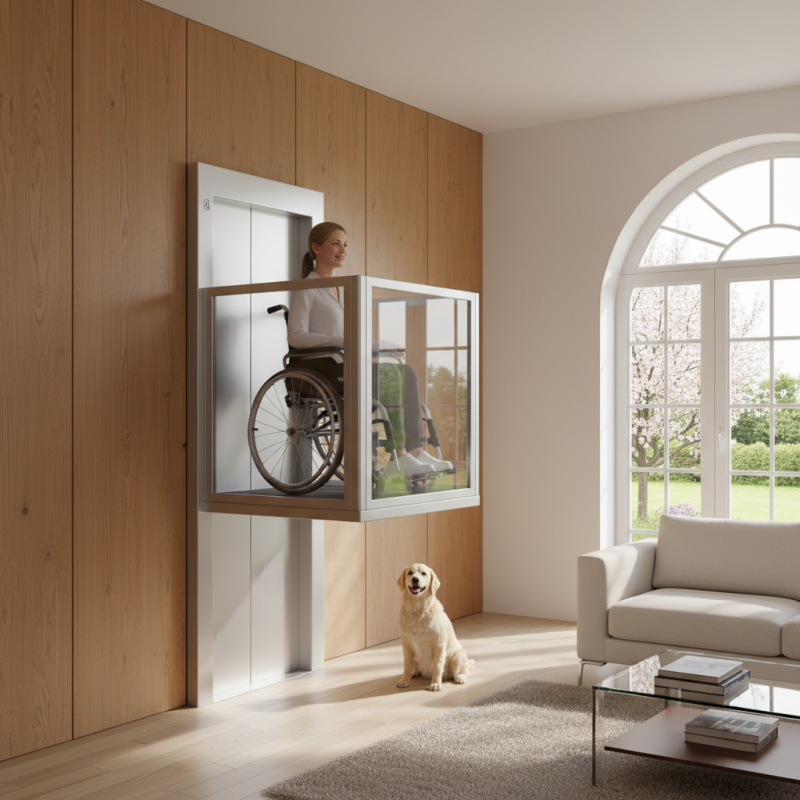
Choosing the right wheelchair elevator is crucial for enhancing accessibility. It can significantly impact the comfort and independence of users. According to Dr. Emily Lawson, an expert in mobility solutions, "An appropriate wheelchair elevator can transform spaces, making them inclusive for everyone."
When selecting a wheelchair elevator, various factors must be considered. These include size, weight capacity, and installation requirements. Each detail matters, as a poorly chosen elevator may lead to frustration. Dr. Lawson emphasizes the need for proper assessment: "Evaluate user needs before making decisions."
This process requires reflection and learning from past choices. Many individuals overlook the importance of expert advice. Engagement with professionals can make a significant difference. A thoughtful selection can ensure safety and efficiency.
Understanding the Importance of Wheelchair Elevators in Accessibility
Wheelchair elevators significantly enhance accessibility in public and private spaces. According to the American Community Survey, over 8 million Americans use a wheelchair. Accessibility is not just a legal requirement; it’s a fundamental right. Many buildings still lack adequate solutions, pushing mobility-impaired individuals to navigate challenging environments. Studies reveal that accessible spaces can increase building occupancy rates by 25%.
Choosing the right wheelchair elevator involves understanding specific needs. For example, the height and weight capacity are crucial factors. Evaluating the space is essential to ensure a proper fit. Additionally, installing a wheelchair elevator can show your commitment to inclusivity. However, not all buildings meet safety standards, leading to potential risks. Inspections and certifications should be prioritized, as the U.S. Department of Justice emphasizes safety and reliability.
Beyond physical structures, wheelchair elevators impact social inclusion. They promote independence and enhance quality of life. Quality elevators can be costly, but considering long-term benefits is important. Balancing budget constraints with needs can be challenging. Some solutions, like inclined lifts, may not work in all scenarios. Continuous assessment of options is necessary to foster an environment where everyone has access.
Importance of Wheelchair Elevators in Accessibility
Factors to Consider When Choosing a Wheelchair Elevator
Choosing the right wheelchair elevator requires careful consideration of several key factors. First, assess the space where the elevator will be installed. Measure the dimensions to ensure a perfect fit. Many elevators require more space than expected. Think about weight capacity too. Some elevators can only support certain weight limits. This may impact which models are viable for your needs.
Safety features should be prioritized. Look for options that include sturdy handrails and non-slip surfaces. These details make a difference, especially in emergencies. Read reviews from users for insights on reliability. Sometimes, what looks good on paper doesn’t perform well in real life.
Another critical factor is the power source. Hydraulic elevators may offer smoother rides, but they need electricity. If there’s frequent power loss, a battery-operated elevator may be a better choice. Also, consider the maintenance requirements. Elevator systems can break down, leading to unexpected costs. It’s essential to reflect on these aspects to make an informed, practical choice.
10 Essential Tips for Choosing the Right Wheelchair Elevator
| Factor |
Description |
Considerations |
| Weight Capacity |
Determine the maximum weight the elevator can support. |
Ensure it accommodates users and any additional equipment. |
| Size and Space |
Evaluate the installation space for width and height. |
Must fit within the designated location without obstruction. |
| Type of Mechanism |
Choose between hydraulic, screw-driven, or cable-driven. |
Consider maintenance and operational costs. |
| Safety Features |
Look for emergency stop buttons, safety brakes, and alarms. |
Prioritize features that enhance user safety. |
| Accessibility Compliance |
Ensure the elevator meets local accessibility regulations. |
Review guidelines such as ADA standards. |
| Installation Requirements |
Investigate necessary installation conditions and costs. |
Assess if professional installation is needed. |
| Maintenance |
Consider the maintenance schedule and associated costs. |
Plan for routine checks and service availability. |
| User Interface |
Evaluate the ease of use for different users. |
Look for intuitive controls and clear labeling. |
| Cost |
Analyze budget considerations for initial and long-term costs. |
Balance upfront costs with quality and functionality. |
| Warranty and Support |
Check warranty period and customer support options. |
Ensure reliable support in case of issues. |
Types of Wheelchair Elevators: Pros and Cons
When considering a wheelchair elevator, it's crucial to understand the types available. Each type has its unique advantages and drawbacks. For example, vertical platform lifts are often simple to install and use. They can be used in buildings with limited space. However, they might not accommodate larger wheelchairs comfortably. This could be a significant drawback for some users.
On the other hand, inclined platform lifts offer a different approach. They are designed to be installed along stairways. These lifts provide an accessible option without altering the building’s structure. However, they may not be suitable for all stair designs. Noise can also be a concern during operation. It’s important to weigh the practicality of each type based on location and building layout.
Avoid overlooking the importance of safety features in your choice. Factors like weight capacity and emergency systems can greatly impact user experience. Not all elevators incorporate these essentials, leading to potential safety issues. Taking the time to evaluate each type offers a more tailored solution. Understanding the pros and cons helps ensure the chosen elevator meets both current and future needs.
Safety Features to Look for in Wheelchair Elevators
When selecting a wheelchair elevator, safety features are paramount. Look for robust handrails and anti-slip surfaces. A secure handrail can prevent falls during entry or exit. Additionally, non-slip flooring is crucial for stability. Both elements contribute to a safer ride, ensuring comfort for users.
Emergency features should also be prioritized. Automatic stop systems and emergency brakes can provide peace of mind. In case of malfunction, these features ensure users can exit safely. Check if the elevator includes an alarm system for emergencies. Accessible communication devices can aid in contacting help if needed.
Consider the maintenance and reliability of safety mechanisms. Regular check-ups can uncover potential issues early. Users must recognize that not all elevators are created equal. Researching user reviews and expert recommendations can aid in selecting a reliable model. Safety should always come first.
Budgeting and Funding Options for Wheelchair Elevator Installation
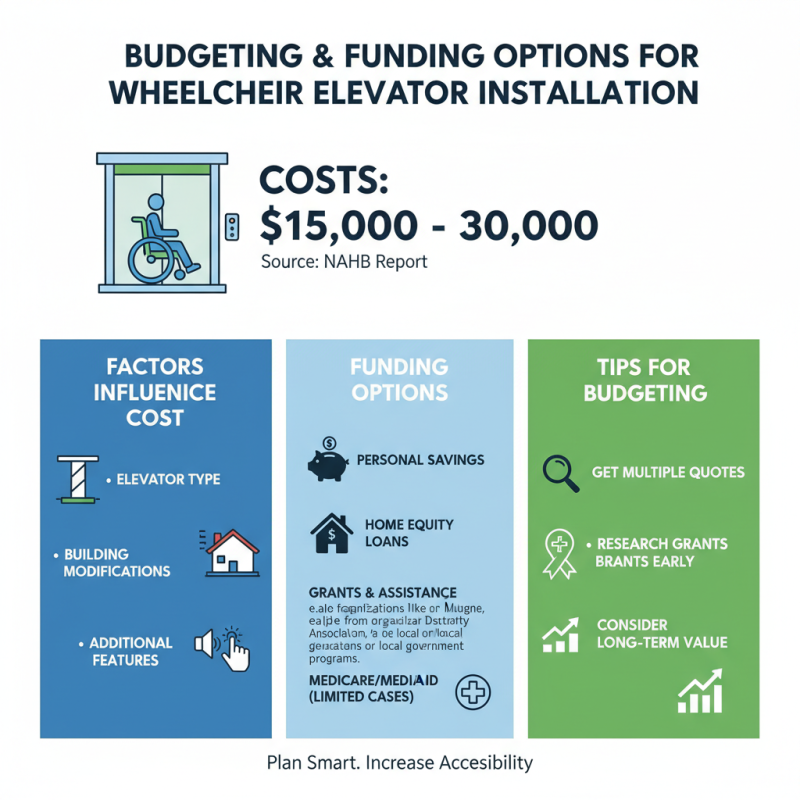
When considering the installation of a wheelchair elevator, budgeting is crucial. A professional report from the National Association of Home Builders states that installation costs can range from $15,000 to $30,000. Factors influencing these costs include elevator type, building modifications, and additional features like call buttons or voice activation.
Funding options are available for those who need financial assistance. Nonprofits and governmental programs often provide grants or loans specifically for accessibility upgrades. According to a 2022 survey by the United States Access Board, 35% of respondents reported using funding programs for home modification. Research local resources to explore possibilities.
Installation can have unexpected costs. Building regulations may require additional structural changes. Planning ahead can minimize surprises. Be ready to adapt as you navigate through the budgeting process. A clear financial plan will help ensure that the elevator meets both your needs and budget.