
What Is Felt Underlay Used For?
What Is Felt Underlay Used For? The answer begins beneath the visible floor. Felt Underlay is a dense, resilient layer placed below carpets, rugs, and selected floating floors. It can soften footsteps, reduce room noise, and improve everyday comfort. Imagine walking across a hallway and hearing less heel impact. That small change often feels surprisingly valuable.
Flooring specialist Tom Duffy puts it simply: “Underlay is the quiet layer that determines how a floor feels, sounds, and lasts.” This practical view matters because underlay is not merely a soft filler. Its thickness, density, and moisture resistance influence carpet performance. A suitable Felt Underlay can help reduce pressure on carpet fibers. It may also smooth minor surface irregularities beneath the finished covering.
The material has limits.
It will not repair a damaged subfloor. It cannot replace professional moisture testing. Poor installation may create movement, uneven edges, or premature wear. These details are easy to overlook when choosing materials from a small sample.
In this guide, we will examine where Felt Underlay works best and why installers specify it. We will consider thermal comfort, acoustic control, floor protection, and installation conditions. Real rooms behave differently. A quiet bedroom, busy corridor, and commercial office need different solutions. The best result comes from matching the underlay to the floor covering, subfloor, traffic level, and room environment. That decision may seem minor, but it shapes the floor every day.
What Is Felt Underlay?
What Is Felt Underlay Used For?
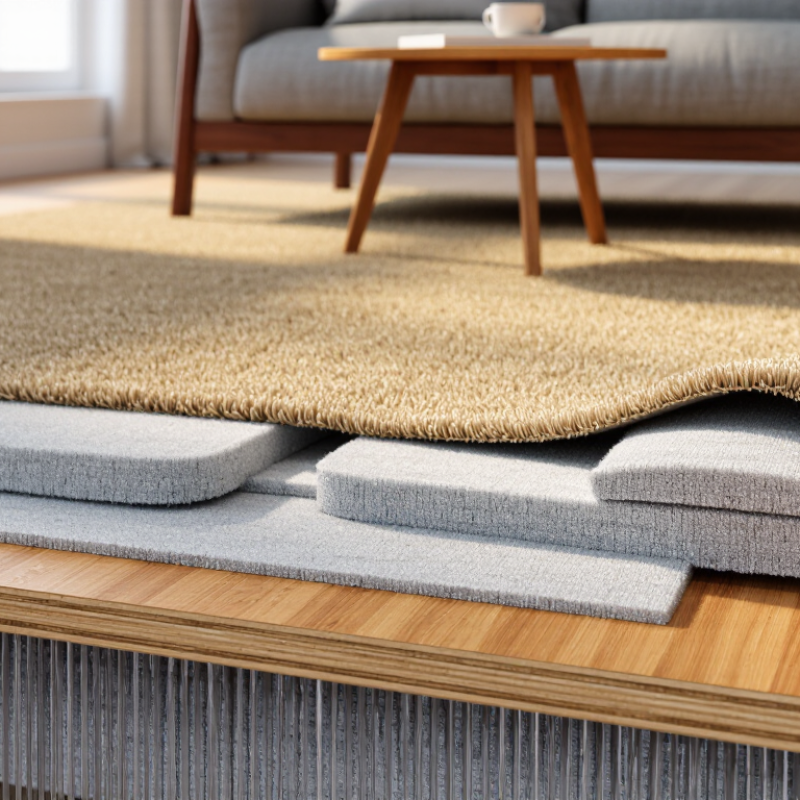
Felt underlay is a soft, dense layer placed beneath carpets, rugs, and some floor coverings. It is usually made from compressed natural or synthetic fibres. Its main purpose is to improve comfort, insulation, and floor protection.
Underfoot, felt underlay adds gentle cushioning and reduces the hollow sound of footsteps. It can also limit heat loss through cold floors. Its dense structure helps protect carpet backing from direct contact with rough subfloors. Experienced flooring installers use it to smooth minor surface variations, but it cannot repair dampness, cracks, or uneven boards. The subfloor must remain clean, dry, and stable. A small installation mistake matters. Loose edges may create ridges, while excessive thickness can affect doors and floor levels.
Tips: Measure the room carefully and cut the underlay with a sharp utility knife. Keep seams close, but avoid overlapping pieces. Check the flooring manufacturer’s guidance before installation, especially with underfloor heating. Felt can feel warm and luxurious, yet it is not always the best choice for moisture-prone rooms. I once underestimated how much a slightly uneven subfloor would show through a soft covering. It is worth checking twice.
