How to Choose HDPE Welding Equipment for Your Project?
Choosing Hdpe Welding Equipment is not a brand-only decision. It affects joint quality, installation speed, and the reliability of a buried pipeline. Small details matter: pipe diameter, wall thickness, jobsite power, and the space available around each joint.
The scale of infrastructure work makes careful selection important. The U.S. Environmental Protection Agency’s 2023 Drinking Water Infrastructure Needs Survey and Assessment estimated $625 billion in drinking water infrastructure needs over 20 years. That figure covers broad system needs, not HDPE projects alone. Still, it shows why durable construction and sound installation practices deserve attention. For HDPE work, equipment should match the required fusion method and the pipe manufacturer’s specifications. A machine sized for small service lines may not suit large-diameter mainline work.
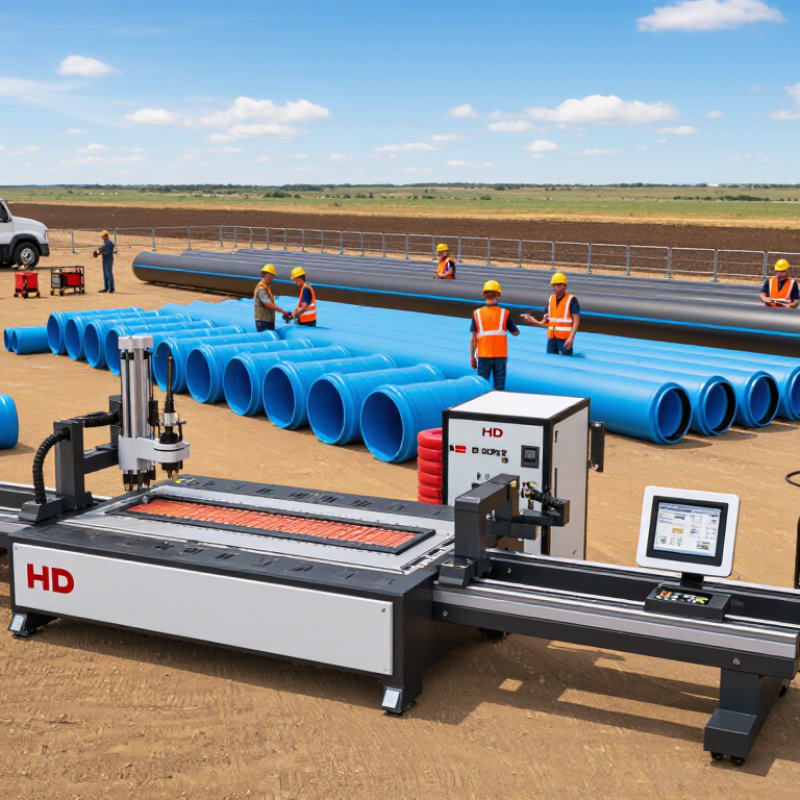
Look beyond the headline price. Check the machine’s diameter range, clamping system, heating-plate control, data logging, and availability of trained support. On a windy site, stable temperature control can matter. So can a generator that handles the equipment’s power demand. Relevant guidance from the Plastics Pipe Institute and applicable ASTM fusion standards can help teams define sound procedures; confirm the current requirements for each project. No single machine is best for every crew. And specifications can look better on paper than they feel in the field. The practical choice balances verified performance, operator experience, service access, and the conditions crews will actually face.
Define the Project’s HDPE Welding Requirements
How to Choose HDPE Welding Equipment for Your Project?
Define the Project’s HDPE Welding Requirements
Start with the pipe, not the machine. Record its outside diameter, wall thickness, material grade, and pressure rating. Also note whether the joint will be made by butt fusion, socket fusion, or electrofusion. These methods require different tools and preparation. The Plastics Pipe Institute’s Handbook of PE Pipe explains that fusion procedures depend on pipe dimensions, material, and jointing method. ASTM F2620 likewise provides established practices for heat-fusion joining of polyethylene pipe and fittings. Check the project specification against the applicable procedure before selecting equipment. A mismatch can compromise joint quality, even when the machine appears suitable.
Write down what remains uncertain. Pipe markings can be hard to read, and site conditions change. That is normal, but guessing is not a plan. Verify material compatibility, required data logging, and maintenance needs with the project engineer or qualified fusion technician. Then choose equipment that meets the documented requirements, rather than buying for an assumed future job.
