How to Choose an Electrical Parking Lift?
Choosing an Electrical Parking Lift is no longer only a question of saving floor space. Urban vehicle ownership is changing, while electric vehicles add weight, charging, and cable-management demands. The International Energy Agency reported that global electric car sales exceeded 17 million in 2024, showing how quickly parking facilities must adapt. More electric vehicles will eventually require more carefully planned parking infrastructure.
The numbers matter. The U.S. Department of Energy notes that most electric-vehicle charging still occurs at home, often overnight. That makes a parking lift with safe, convenient charging access especially valuable in apartments, workshops, and commercial garages. However, a lift must support the vehicle’s actual gross weight, not only its advertised curb weight. Battery packs can add several hundred kilograms. Small details matter, too. Measure the ceiling height, platform length, turning radius, and charging-cable reach before comparing prices.
Safety should lead the decision. Industry guidance from the Automotive Lift Institute emphasizes proper vehicle-lift design, installation, inspection, and operator training. Relevant regional standards, such as EN 14010 and applicable electrical codes, should also be reviewed with qualified professionals. A low-cost model may appear attractive. It may become expensive after structural changes, electrical upgrades, or difficult maintenance.
The best choice balances capacity, lifting speed, controls, drainage, emergency lowering, warranty support, and service availability. A glossy specification sheet is not enough. Consider winter salt, narrow garage entrances, and the technician who must repair the unit years later. The choice is rarely neat. Real sites expose assumptions. This guide explains how to compare Electrical Parking Lift systems with practical evidence, technical judgment, and a healthy willingness to question impressive claims.
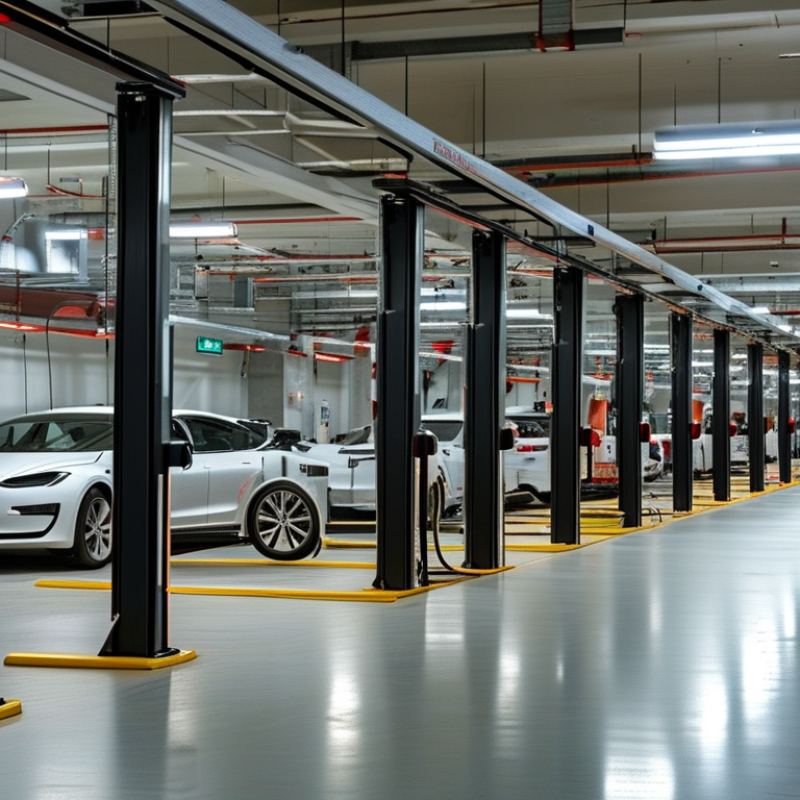
Understanding How an Electrical Parking Lift Works
An electrical parking lift raises a vehicle on a powered platform. Most models use an electric motor and hydraulic pump. When the control button is pressed, the pump sends fluid into lifting cylinders. The cylinders extend and raise the platform smoothly. Mechanical locking positions then support the load at set heights. The motor does not carry the vehicle alone. That detail matters.
Some lifts use electric screw columns instead of hydraulics. Their motors turn threaded shafts, moving the platform through synchronized nuts. This design can feel slower, but it may offer precise movement. A buyer should check lifting speed, rated capacity, platform width, and available ceiling height. Measure the vehicle, including mirrors and roof accessories. Small errors become expensive problems.
Watch the safety systems closely. Limit switches should stop movement at the correct positions. An emergency stop button must be easy to reach. A reliable lift should also include anti-fall locks and a controlled lowering method during power failure. Ask how often chains, cables, hydraulic seals, or screws need inspection. A quiet motor is useful, but silence alone proves little. A clean installation can still hide poor alignment. I would also question unclear manuals and vague load ratings. Electrical parking lifts are practical, yet they require thoughtful installation, routine checks, and operators who respect the controls.
How to Choose an Electrical Parking Lift
An electrical parking lift uses an electric motor and lifting mechanism to raise a vehicle vertically, creating an additional parking space below. The chart shows representative lifting times for common rated-load classes. Higher-capacity lifts generally require more lifting power and may take slightly longer to reach the same parking height.
Comparing Lift Designs, Drive Systems, and Platform Options
Choosing an electrical parking lift requires more than checking its rated capacity. The site, vehicle size, ceiling height, and parking frequency all influence the right design. A two-post lift usually saves floor space and suits compact private garages. A four-post design offers stronger platform support and easier parking alignment. Scissor lifts create a clean appearance, but their recessed structure may require more civil work.
Drive systems affect speed, noise, maintenance, and long-term reliability. Screw-driven systems provide controlled movement and accurate stopping, although they may operate more slowly. Chain or cable systems can lift efficiently, but regular inspections are essential because wear may develop gradually. Hydraulic systems deliver smooth movement and strong lifting force. However, seals, oil temperature, and possible leakage need careful attention. Electrical controls should include overload protection, emergency stopping, level sensors, and guarded moving areas.
Platform selection deserves equal care. A fixed platform is simple and dependable for repeated parking. Sliding platforms can increase capacity in narrow layouts, but they need accurate alignment and clear operating zones. Anti-slip surfaces improve tire grip during rain, while drainage openings prevent standing water. Platform length should match real vehicle dimensions, including mirrors and rear overhang. A small margin is wise. Too little clearance creates daily stress.
A neat drawing can still hide awkward access. Review turning paths, ventilation, lighting, and maintenance space before installation. I would also question unclear noise ratings and vague inspection schedules. Those details often matter after the lift becomes part of everyday life.
Evaluating Maintenance, Costs, and Long-Term Reliability
Choosing an electrical parking lift requires more than comparing lifting capacity and purchase price. Maintenance access matters daily. Inspect the motor, control cabinet, limit switches, cables, and emergency lowering system. A clear service log should record cycle counts, oil changes, abnormal noise, and failed sensors. The U.S. Department of Energy notes that motors can represent a major share of equipment energy use, especially when poorly maintained. Efficient motors help, but correct alignment matters more than optimistic specifications.
Calculate the full lifecycle cost. Include electricity, inspections, replacement parts, technician visits, downtime, and floor repairs. The U.S. Energy Information Administration reported average U.S. commercial electricity prices near 13 cents per kilowatt-hour in 2024. A lift running briefly may consume little energy, yet repeated standby use and peak-demand charges can change the result. Ask for measured standby consumption, not only rated motor power. Small details count.
Reliability depends on the installation environment. Moisture, road salt, dust, and uneven loading accelerate wear. ISO 55000 asset-management guidance supports planned maintenance instead of reactive repairs. Set inspection intervals from actual traffic, not a generic calendar. Also review safety-test procedures against applicable local standards. One uncomfortable truth remains: published cycle ratings are often laboratory figures. Real garages are colder, dirtier, and less forgiving. Require service records, spare-part availability, and a written response time before signing. A cheaper lift can become expensive after one prolonged outage.