Top 5 Tips for Choosing the Best Outside Lifts for Your Needs?
Choosing the right outside lifts can significantly impact your operations. Many industries rely on these essential tools, with the global market for aerial lifts projected to reach $12 billion by 2025. This statistic highlights the increasing demand for effective lifting solutions. Understanding the specific requirements of your project is crucial.
The right outside lifts enhance safety and efficiency on job sites. A recent report indicated that improper lift selection is a leading cause of workplace accidents. This reinforces the importance of informed decision-making. Consider factors such as lifting capacity, height, and terrain adaptability when evaluating options.
Many buyers often overlook essential details when selecting outside lifts. These oversights can lead to costly mistakes. Real-life experiences reveal that choosing the wrong lift can hinder productivity and elevate risks. It’s vital to reflect on these points to make a wise investment.
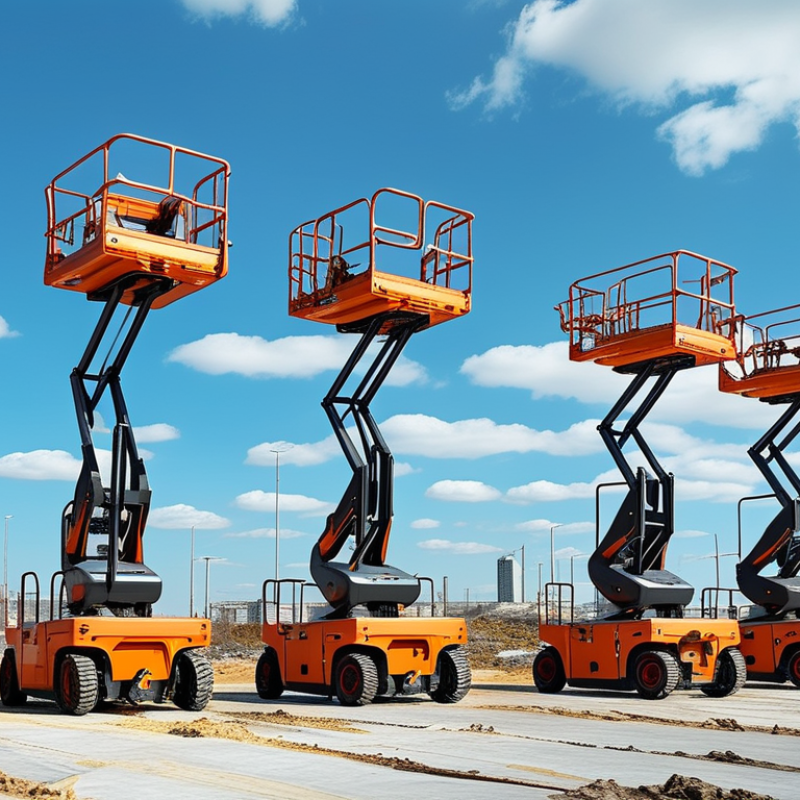
Understanding Different Types of Outside Lifts and Their Uses
When selecting an outside lift, understanding the various types available is crucial. There are three primary categories: vertical lifts, inclined lifts, and platform lifts. Vertical lifts move straight up and down, making them ideal for areas with limited space. They are efficient and can be used in residential and commercial settings alike.
Inclined lifts, on the other hand, travel along a slope. These are perfect for navigating stairs, providing accessibility for individuals with mobility issues. They require careful installation and assessment of the existing structure. Platform lifts, designed for wider spaces, offer a flat surface for transporting individuals and goods. They can be used in both outdoor and indoor environments, adding versatility to their design.
Choosing the right lift requires careful consideration of your environment and needs. Reflection on usability can reveal factors often overlooked. For instance, power needs, safety features, and maintenance will impact long-term satisfaction with your choice. Assess the lift's compatibility with your outdoor setting. This decision might seem straightforward, but each type presents unique challenges.
Key Factors to Consider: Load Capacity and Weight Restrictions
Choosing the right outside lift is crucial for safety and efficiency. When considering load capacity, it’s vital to ensure the lift can handle the weight of both people and equipment. Exceeding the weight limitation can result in catastrophic failures. Each lift has specific ratings, so pay close attention to these specifications.
Weight restrictions also play a key role in your selection. The design of the lift should align with your expected usage. For example, a residential lift will have different limitations than one intended for commercial use. Analyze the demands you’ll place on the lift and choose accordingly.
Remember, reliability is non-negotiable. A lift that frequently malfunctions can lead to injuries or delays. Moreover, ensure that your lift meets local safety regulations. It’s worth investing time to research and consult professionals in the field. The right lift can significantly improve accessibility and safety, but the wrong choice can result in serious issues. Making informed decisions based on thorough understanding is essential.
Evaluating Safety Features in Outside Lifts for Enhanced Security
When choosing outside lifts, evaluating safety features is critical for enhanced security. Industry data indicates that nearly 25% of lift-related injuries stem from equipment failure. Reliable outside lifts must have robust mechanisms to prevent such incidents. Features like automatic safety brakes, stability bars, and overload sensors are essential. These components significantly reduce risks and provide peace of mind for users.
Moreover, regular maintenance is key to ensuring these safety features work effectively. One study highlights that 40% of lift accidents could be avoided with scheduled inspections. Individuals should be proactive about service checks and certifications. Understanding safety standards set by regulatory bodies can guide users towards compliant choices.
The training of operators is also vital. A detailed survey found that 30% of accidents are due to user error. Proper training enhances the safe use of lifts, minimizing chances of mishandling. Investing in qualified training programs pays off in user safety and equipment longevity. Balancing top-notch safety features with operator education leads to a more secure lifting experience.
Analyzing Terrain Compatibility: Choosing Lifts for Various Environments
When selecting outside lifts, terrain compatibility is crucial. Each environment requires specific equipment types. For instance, rugged terrain demands robust mechanisms that can handle steep inclines. According to the Occupational Safety and Health Administration (OSHA), around 24% of worker injuries relate to falls from heights. Choosing the right lift can significantly mitigate this risk.
Urban areas often present unique challenges. Tight spaces and uneven ground can impede maneuverability. A report from the National Institute for Occupational Safety and Health (NIOSH) highlights that operators in such environments require enhanced training. This ensures optimal safety and efficiency when using outside lifts.
In forestry and agricultural settings, the lift must withstand variable weather conditions and maintain stability on soft ground. Using lifts designed for these terrains helps avoid accidents. Research indicates that poorly matched equipment leads to increased operational hazards. Reflection on these factors is essential for informed decision-making.
Comparing Costs: Budgeting for Quality and Reliability in Outside Lifts
When considering outside lifts, budgeting plays a critical role. It's essential to evaluate the upfront cost versus long-term reliability. Higher initial costs can often lead to fewer repairs and greater durability. A lift that breaks down frequently can end up costing much more over time due to repairs and lost productivity.
Conducting thorough research on pricing is crucial. Prices can vary based on features and lifting capacity. It's wise to compare different models side by side. Look for detailed specifications when evaluating options. Remember that more expensive doesn't always equate to better. Sometimes, a middle-range lift offers the best balance of quality and affordability.
Understanding the trade-offs is key. Cheaper lifts might seem appealing, but they can compromise safety and performance. It requires reflection on your actual needs and usage frequency. Investing a bit more initially could save significant time and hassle later. Consider the total cost of ownership, not just the purchase price. Balancing quality and budget is a strategic decision for your exterior lifting needs.
Top 5 Tips for Choosing the Best Outside Lifts for Your Needs - Comparing Costs: Budgeting for Quality and Reliability in Outside Lifts
| Lift Type |
Purpose |
Cost Range (USD) |
Weight Capacity (lbs) |
Key Features |
| Platform Lift |
Accessibility |
$3,000 - $5,000 |
600 |
Portable, ADA compliant |
| Inclined Lift |
Stairs |
$2,500 - $4,500 |
400 |
Automatic safety brakes, foldable |
| Vertical Lift |
Multi-level access |
$4,000 - $7,000 |
750 |
Enclosed cabin, customizable |
| Stock Chair Lift |
Residential |
$1,500 - $3,000 |
300 |
Simple installation, low maintenance |
| Mobility Scooter Lift |
Transport |
$1,000 - $2,500 |
350 |
Compact design, easy loading |