
Top 10 Types of Air Duct Machines for Global Buyers
Choosing the right Air Duct Machine can shape production speed, duct quality, and long-term operating costs. Global buyers often compare equipment from different manufacturers, yet specifications are not always presented consistently. A machine listed as “automatic” may still require manual loading, tool changes, or quality checks. That detail matters on a busy factory floor.
This guide examines ten common types, including machines for cutting, forming, folding, beading, sealing, and spiral duct production. Each type serves a different stage of fabrication. A plasma cutting machine may create accurate openings, while a Pittsburgh lock-forming machine prepares sheet edges for stronger assembly. Some systems suit insulated panels; others perform better with galvanized steel or stainless steel. Material thickness, working width, power supply, control systems, and available tooling deserve careful review.
Real purchasing decisions involve more than impressive brochures. Production volume, local service support, operator training, spare parts, and installation conditions can affect the final result. Ask for test samples. Check operating videos. Confirm certifications and safety documentation. Supplier reputation helps, but it should not replace technical verification. No machine fits every workshop. Some comparisons remain imperfect because factory layouts and labor skills differ widely. That is worth remembering. By connecting machine functions with practical production needs, buyers can make more reliable choices and avoid paying for unused features. The following overview offers a clear starting point, while encouraging readers to verify every specification before placing an international order.
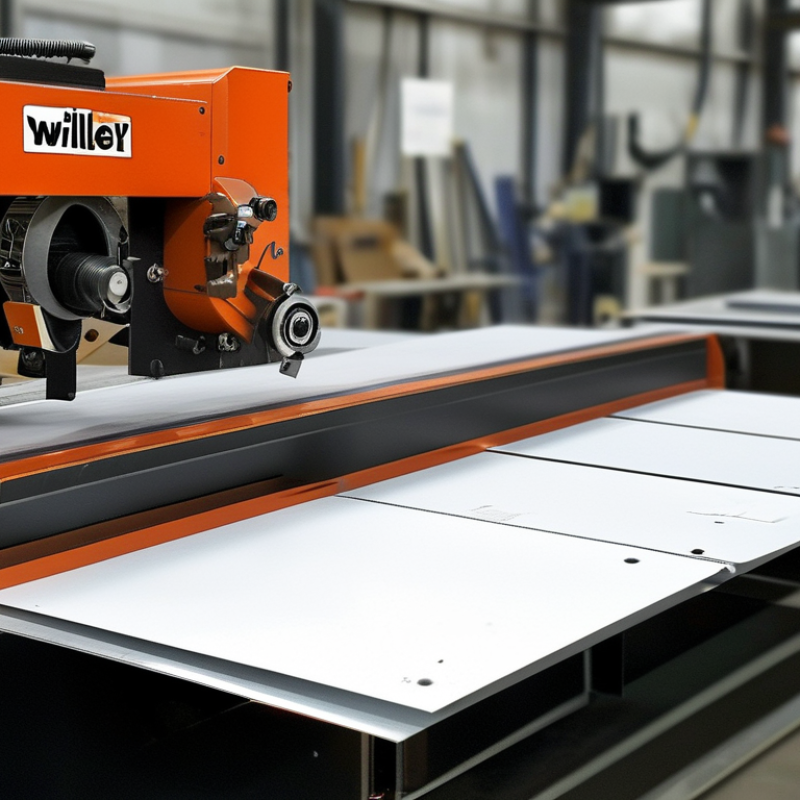
What Air Duct Machines Are and How They Are Classified
What Air Duct Machines Are and How They Are Classified
Air duct machines are industrial tools that cut, shape, join, or reinforce sheet metal for ventilation systems. In practical workshops, the common ten types include plasma cutters, laser cutters, lock formers, folding machines, beading machines, flange formers, seam closers, roll formers, spiral duct machines, and CNC production lines. Each machine handles a specific stage, although some systems combine several functions.
Classification usually follows three practical standards: function, material, and automation level. Cutting machines prepare galvanized steel, stainless steel, or aluminum sheets. Forming machines create bends, seams, beads, and connection profiles. Joining machines close seams or attach flanges. Manual equipment suits small batches and frequent size changes. Semi-automatic machines improve consistency, while fully automatic lines support repeated production with digital control. The boundary is not always clean. A machine called “automatic” may still need skilled adjustment for thickness, pressure, and alignment. That detail is easy to underestimate.
Tips: Check the required duct profile before choosing equipment. Measure sheet thickness, working width, power supply, and expected output. Ask for test pieces when possible. Watch the first production cycle carefully; small setup errors can distort corners, seams, or flange connections. Safety guards, emergency stops, operator training, and regular maintenance should be part of the purchase decision, not an afterthought.
