
China Top Battery Cooler Manufacturers for Global Buyers
A Battery Cooler helps control heat inside battery packs, supporting stable performance and reducing thermal stress. For electric vehicles, energy storage systems, and industrial equipment, cooling needs vary with pack size, operating conditions, and duty cycle. Some applications use air cooling. Others need liquid circuits, pumps, chillers, and carefully designed channels. Small details matter, including coolant connections, sensor placement, and service access.
China has a broad base of battery thermal-management suppliers, from component makers to system integrators. This guide examines manufacturers serving global buyers and the evidence buyers should request before shortlisting them. Useful checks include production experience, engineering support, quality procedures, test data, and the ability to customize designs. Ask how suppliers validate cooling performance under changing loads, ambient temperatures, and vibration. Request clear drawings and confirm that quoted specifications match the intended battery chemistry and enclosure.
A polished brochure is not enough. Real performance matters. No supplier fits every project, and a low quotation can leave important questions unanswered. Buyers should compare response times, sample evaluation, warranty terms, and support after delivery. They should also confirm which documents and approvals apply in their destination market. Requirements differ. This overview aims to make comparison more practical, while recognizing that supplier claims still need independent review. Good decisions come from evidence, not rankings alone.
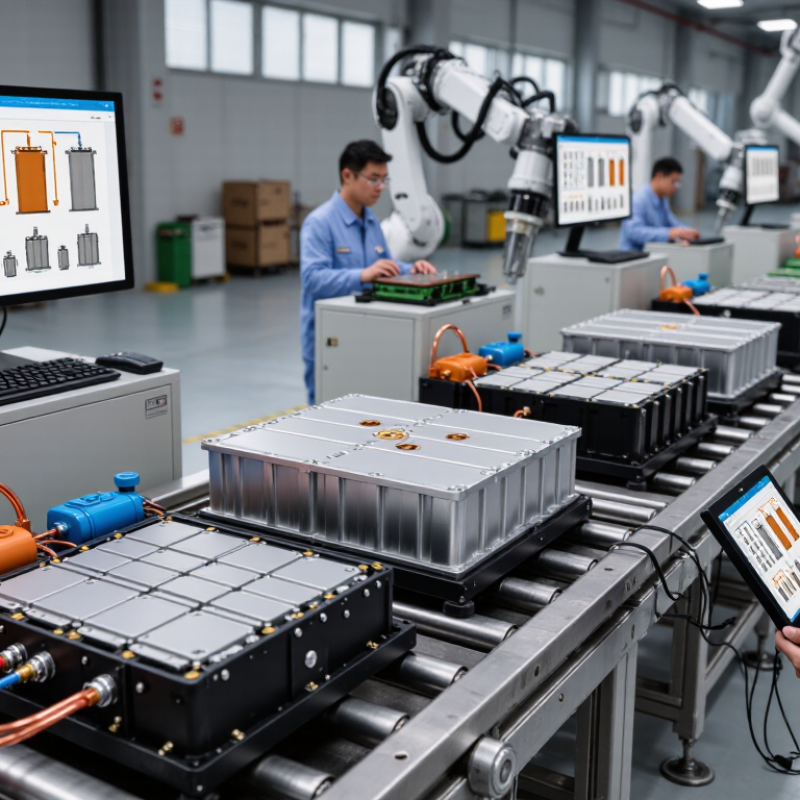
Battery Cooler Fundamentals: Managing Cells Within the Typical 15–35°C Range
For many battery systems, 15–35°C is a practical operating reference, not a universal guarantee. Cell chemistry, charge rate, and supplier specifications can shift the preferred limits. Battery cooling aims to keep cells near this range and reduce temperature differences across a pack. A module with one warm corner may age unevenly, even when its average temperature looks acceptable.
During fast charging or sustained high output, heat builds inside cells and travels through module plates, interfaces, and coolant. Liquid systems can move heat efficiently from tightly packed modules; forced-air designs may suit lower heat loads or simpler layouts. Sensors should track representative cell locations, not just coolant inlet temperature. The inlet can look cool while cells remain warm. That detail matters.
Cooling must also respond to ambient conditions and changing duty cycles. In hot weather, a radiator or chiller needs enough capacity to reject heat. In cold conditions, cooling may need to pause or work alongside controlled heating. Engineers should check temperature spread, flow balance, pressure drop, and sensor placement under realistic loads. A clean lab test is useful, but it cannot reproduce every site. Real operating data may reveal awkward gaps in the design. These are worth revisiting.
