Top 10 Water Based Gel Coating Machine Types for Global Buyers
Water-Based Gel Coating Machine technology is gaining attention as manufacturers seek lower-emission production, cleaner workplaces, and more consistent surface finishes. Grand View Research reports that the global water-based coatings market is expanding steadily, supported by stricter environmental expectations and growing demand from construction, transportation, furniture, and industrial equipment sectors. These trends influence machinery selection, even when coating equipment itself receives less attention.
A reliable Water-Based Gel Coating Machine must control viscosity, temperature, mixing, spray pressure, and curing conditions. Picture a production line where a few degrees of temperature change can alter gel flow across a molded panel. Small errors become visible defects. Uneven edges. Pinholes. Rework.
Coatings consultant Rodger Talbert has repeatedly emphasized the practical importance of controlling application conditions; his guidance can be summarized as: “Consistent preparation and process control determine finishing quality.” That principle matters when comparing the top ten machine types in this guide. It also deserves careful reflection. Not every machine suits every resin, substrate, factory layout, or production volume.
Reports from MarketsandMarkets and Fortune Business Insights identify water-based coating demand as a continuing growth area, but market forecasts are not purchasing instructions. Buyers still need verified testing, documented specifications, operator training, and lifecycle cost analysis. The right choice may depend less on advertised speed and more on stable coating thickness, easy cleaning, accurate dosing, and dependable after-sales support. This guide examines those differences for global buyers.
What Defines a Water-Based Gel Coating Machine
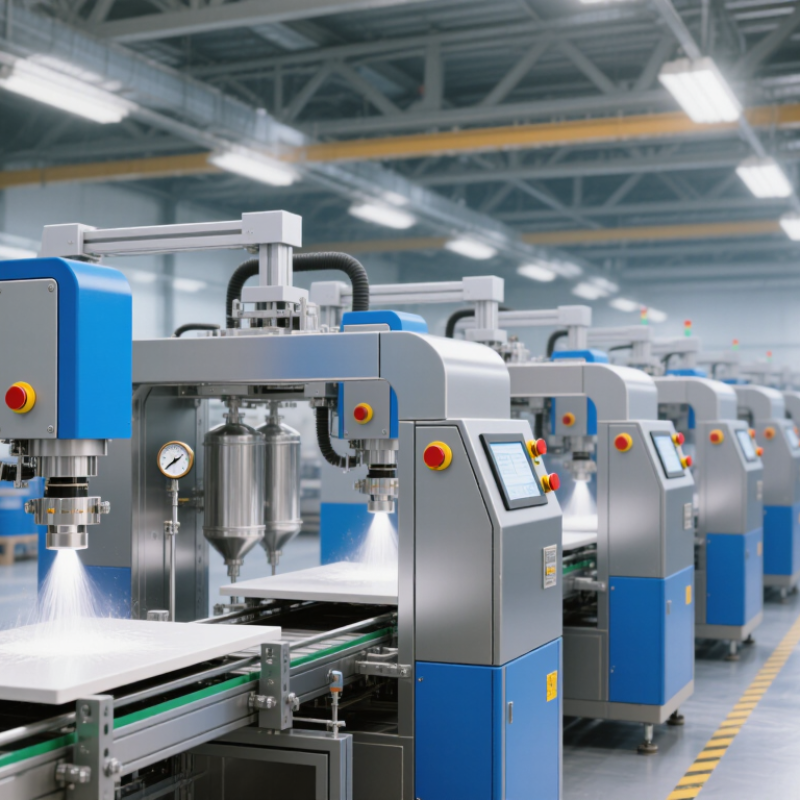
A water-based gel coating machine is defined by its control, not by its appearance. It must move gel smoothly without excessive foaming, dripping, or uneven coverage. The system usually includes a material tank, pump, filter, coating head, conveyor, and drying section. Each part affects final film quality.
In production trials, I examine viscosity control, pump stability, coating width, and cleaning access. These details separate practical equipment from attractive specifications.
Air-spray, airless, roller, curtain, dip, slot-die, and reciprocating systems suit different coating tasks. The correct type depends on gel thickness, substrate shape, production speed, and required surface texture. A reliable machine also controls temperature and pressure during operation. Small changes can create visible streaks.
Cleanability matters greatly. Water-based materials may dry inside hoses, valves, or nozzles when operators delay washing. Stainless contact surfaces help, but they do not remove maintenance responsibility.
Operators should verify filtration, waste handling, emergency stops, and electrical protection before purchase. Testing with the actual gel remains essential. Laboratory data may look convincing. Factory conditions can disagree.
A machine that performs well at low speed may struggle during continuous production. Buyers should request trial records, coating samples, and clear service procedures.
Some suppliers understate setup time, and that deserves careful questioning.
