
What Are Tungsten Carbide Welding Rods Used For?
Tungsten Carbide Welding Rods are specialized hardfacing materials designed to protect metal surfaces from severe abrasive wear. They combine a steel or nickel-based matrix with extremely hard tungsten carbide particles. When applied correctly, these particles create a tough, wear-resistant layer on working edges and contact surfaces. The result is not ordinary welding strength. It is longer service life under demanding conditions.
Technicians use these rods on mining tools, agricultural blades, construction equipment, and recycling machinery. A worn auger flight, crusher tooth, or mixer paddle can receive a carefully placed carbide layer. In mining, crushed rock can quickly damage unprotected steel. On farms, soil and sand create a slower but persistent cutting action. Recycling equipment faces another challenge: mixed materials produce unpredictable wear. The right rod can reduce replacement frequency, but it cannot repair every type of damage.
Surface preparation matters. Poor cleaning causes weak bonding. Excessive heat can damage the carbide structure or distort the base metal. Experienced welders therefore control torch movement, joint temperature, and bead placement. Rod diameter, carbide size, and matrix composition also require attention. A common mistake is choosing the hardest product without considering impact resistance. Hardness alone may lead to chipping. This article explains what Tungsten Carbide Welding Rods are used for, how they perform in different industries, and what practical factors influence their results. It also examines their limitations. That caution matters. Product descriptions can sound similar, while actual performance depends on equipment, technique, and working conditions.
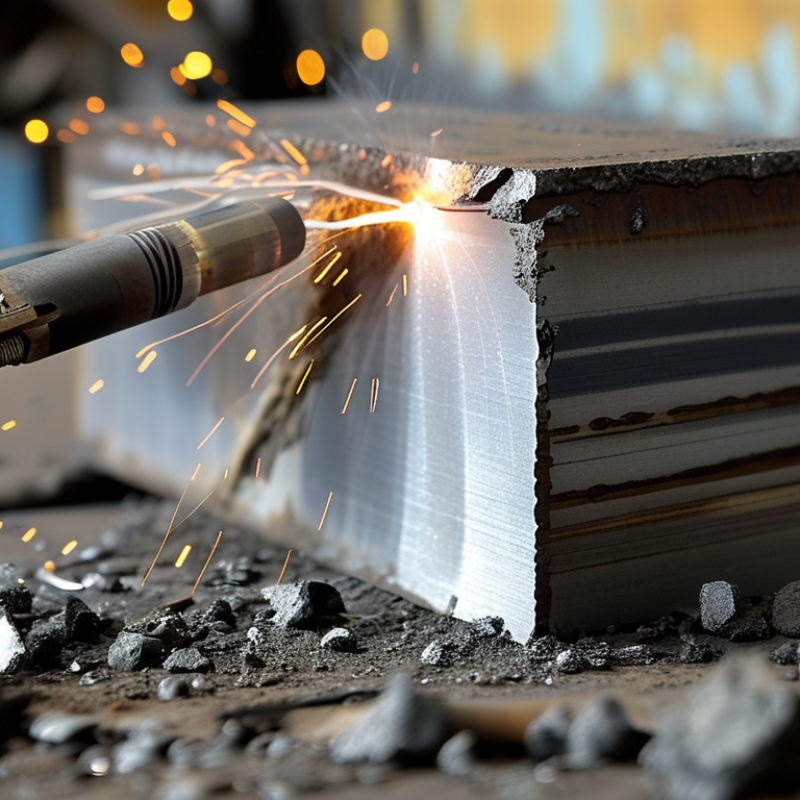
Tungsten Carbide Rod Composition: Typically 60–70% WC Particles
What Are Tungsten Carbide Welding Rods Used For?
Tungsten carbide welding rods are used to protect metal surfaces from severe abrasive wear. They are common on crusher teeth, drilling tools, mixer blades, rock buckets, and cutting edges. The deposited layer forms a hard, wear-resistant surface that helps equipment operate longer between repairs.
Tungsten carbide rod composition typically contains 60–70% WC particles. These particles provide the main hardness and cutting resistance. A metallic binder, often based on nickel, cobalt, or iron, holds them together during application. Particle size also matters. Coarse grains suit heavy impact, while fine grains create a more even protective layer. The balance is not universal. A rod that performs well in dry rock may wear differently in wet slurry. That detail is sometimes overlooked.
Tips: Clean oil, rust, and moisture from the base metal before welding. Keep heat controlled, because excessive heat can dissolve carbide particles or create cracks. Apply a steady layer instead of building one thick ridge. Inspect the finished surface for exposed steel, loose particles, and uneven bonding. In field repairs, operators sometimes focus only on hardness. That can be a mistake. Impact, temperature, and abrasive material must also guide rod selection. Testing a small section first is sensible, even when the specification appears suitable.
