
What Is a Fuel Generator and How Does It Work?
A Fuel Generator converts energy stored in fuel into electricity. It can provide backup power during an outage or supply electricity at a worksite without grid access. You may recognize the sound: a steady engine rumble, perhaps accompanied by the warm smell of exhaust outdoors. The basic idea is straightforward. The details matter.
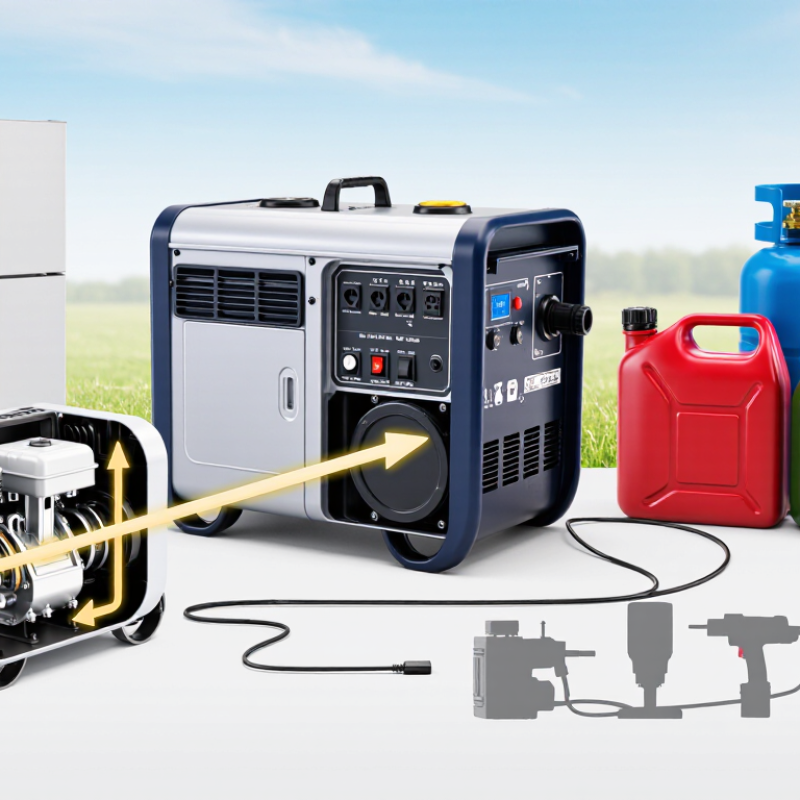
Most fuel generators use an internal combustion engine connected to an alternator. Fuel burns inside the engine, driving a shaft. The alternator then converts that rotation into electrical current. A control panel typically provides outlets and displays useful information, such as voltage or operating hours. Depending on the model, the generator may run on gasoline, diesel, propane, or another specified fuel. These options differ in storage needs, runtime, maintenance, and operating costs. They are not interchangeable unless the manufacturer says so.
Understanding the process helps you choose and use equipment more thoughtfully. A generator’s rated output, fuel consumption, and intended duty cycle should match the devices it will power. A refrigerator and a small lamp place different demands on a unit, especially when appliances start up. Check the manual, keep the generator outdoors, and follow its clearance and grounding instructions. Carbon monoxide is invisible and odorless. That risk is easy to underestimate. Even a quiet model needs careful placement and routine maintenance. No single generator suits every situation, and product specifications can be confusing. This guide explains the main components, how electricity is produced, and what practical factors deserve attention before operation.
Fuel Generators: Engine–Alternator Systems for On-Site Electricity
What Is a Fuel Generator and How Does It Work?
A fuel generator converts energy from burning fuel into on-site electricity. Its two main parts are an engine and an alternator. The engine burns fuel to turn a shaft, much like a small vehicle engine. That rotating shaft drives the alternator, where magnetic fields induce electrical current in the windings. The result can power lights, tools, or selected building circuits, depending on the unit’s output and setup.
The system also includes a fuel supply, cooling, exhaust, and controls. A voltage regulator helps keep output within a usable range as loads change. When a pump starts or a heater switches on, demand can rise sharply. The engine must respond without stalling, while the alternator supplies the required current. In practice, noise, exhaust heat, and maintenance needs are easy to underestimate. A generator may appear simple, but its performance depends on matching its capacity to the equipment being powered.
Tips: Check each appliance’s running and starting wattage before connecting it. Keep the generator outdoors, away from doors and windows, and follow its operating manual. Let the engine cool before refueling. Small details matter. Regularly inspect fuel lines, air filters, and electrical connections; skipped checks can become expensive surprises.
