What Is an Interlock Folding Machine?
An Interlock Folding Machine is industrial equipment designed to fold and form paperboard cartons with interlocking panels. These panels fit together through carefully cut tabs, slots, or locking flaps. The machine guides flat blanks through feeding, scoring, folding, and pressing stages. Some models also apply adhesive, while others depend mainly on mechanical locking.
The process looks simple from a distance. It is not. Small changes in board thickness, grain direction, or die-cut accuracy can affect carton performance. Skilled operators inspect the blank feeder, adjust folding rails, and check whether each locking tab closes cleanly. A carton that looks acceptable may still open during transport. That detail matters.
In this guide, readers will learn how an Interlock Folding Machine works, which carton styles it supports, and where production problems commonly appear. Practical examples will focus on feeder alignment, crease quality, compression pressure, and finished-carton inspection. Manufacturer specifications remain important, but they should not replace hands-on testing. Machine labels can also be confusing, since “interlock” may describe different folding structures across suppliers. This is one area that deserves careful verification.
Reliable operation depends on suitable materials, regular maintenance, trained setup, and consistent quality checks. Dust on sensors, worn belts, or inaccurate creasing can gradually reduce output quality. The machine may run quickly. The final carton still needs judgment.
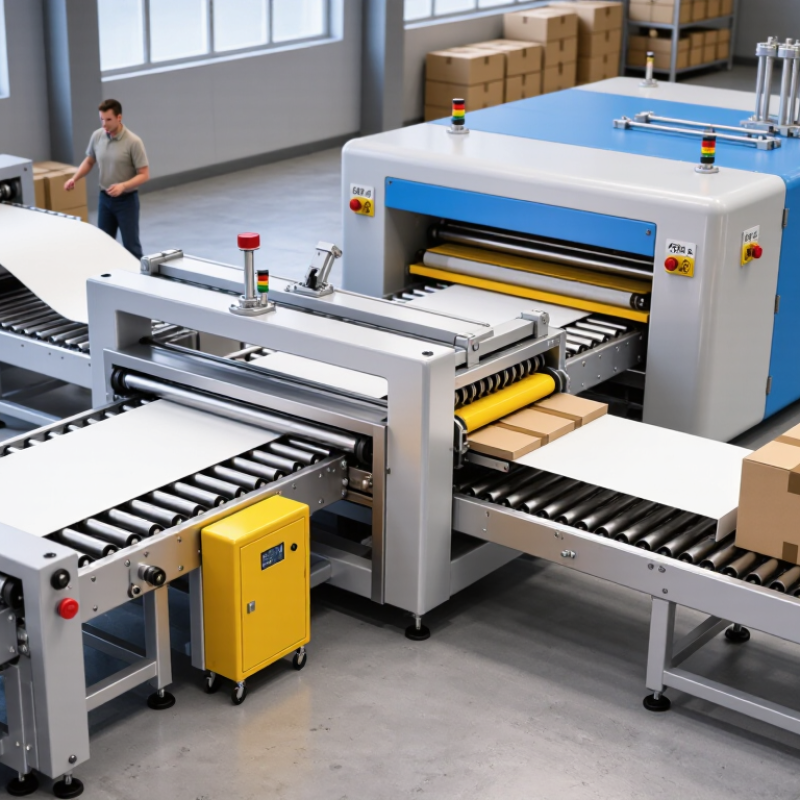
What Is an Interlock Folding Machine?
An interlock folding machine forms a mechanical joint along the edges of sheet metal. It bends one edge into a hook, then folds or presses the mating edge into it. The finished seam helps join duct sections, panels, or enclosures without relying on a separate fastener at every point. Operators typically adjust guides and rollers for the material width and thickness. A small setup error can leave a loose, uneven lock. The machine shapes the seam; it does not guarantee an airtight assembly.
Seam quality matters in HVAC ductwork. The U.S. Department of Energy’s Energy Saver guidance estimates that typical home duct systems can lose about 20–30% of their air through leaks, holes, and poor connections. That figure describes duct systems overall, not the performance of any single folding machine. A properly formed interlock can support a sound connection, but sealing and inspection may still be needed. In practice, check sample pieces for consistent closure, sharp edges, and distortion before running a full batch. Results depend on material, tooling, and operator setup.
Tips: Test the actual sheet thickness before production. Inspect both ends of each trial seam. A neat fold is not always a tight joint.
What Is an Interlock Folding Machine?
| Aspect | Description |
| Definition | An interlock folding machine forms folded edges in sheet material so that one edge can engage with a matching edge, creating a joined seam. The exact meaning of the term can vary by manufacturer and industry. |
| Common industry use | In sheet-metal fabrication, related folding and seam-forming equipment is used to make joints for ductwork, panels, and other fabricated components. |
| How it works | The machine positions the workpiece against a guide and uses a folding beam, rollers, or forming tools to bend its edge into a specified profile. A compatible edge is then fitted or folded into that profile to form the interlocking seam. |
| Typical materials | Depending on the machine design, it may process sheet metals such as galvanized steel, aluminum, or stainless steel. Material type, thickness, and hardness must be within the machine’s rated capacity. |
| Main components | Common components include a frame, work table, clamping or holding mechanism, folding beam or forming tools, guides, and operating controls. The arrangement varies across machine models. |
| Machine configurations | Equipment may be manually operated or powered. Some machines make a specific fold or seam profile, while others support multiple setups using adjustable tooling. |
| Typical applications | Applications can include forming folded joints in metal duct sections, sheet-metal enclosures, and other products that require an edge-to-edge mechanical seam. |
| Key selection factors | Check the required seam profile, material and thickness range, maximum working length, production volume, available tooling, power requirements, and compatibility with the workpiece dimensions. |
| Quality considerations | Consistent results depend on correct setup, suitable tooling, accurate alignment, and material that meets the machine’s operating limits. Inspect trial pieces to confirm the fold dimensions and seam engagement. |
| Safety notes | Keep hands clear of clamping and forming points, use required guards, and follow the machine’s operating instructions. Wear suitable protection when handling sharp sheet-metal edges. |
| Important distinction | An interlocking folded seam is a way of joining shaped edges; it does not by itself guarantee an airtight, watertight, or pressure-rated connection. Those properties depend on the design, materials, assembly, and any required sealing method. |
How an Interlock Folding Machine Works
What Is an Interlock Folding Machine?
How an Interlock Folding Machine Works
An interlock folding machine shapes a flat sheet into a form with edges or flaps that engage. The exact setup depends on the material and finished product. Many machines use feed rollers to move sheets through adjustable guides. The guides keep each sheet aligned before folding begins. Small shifts matter.
Folding plates or blades create the first bends along set lines. A later station turns one flap inward and guides another over or beneath it. Pressure rollers then help the folded parts hold their position. Some designs also crease the material before folding, which can reduce cracking on stiff stock. Operators usually test a few sheets and adjust guides, fold depth, and feed speed. Results can still vary with sheet thickness or curl.
Tips: Check that sheets enter squarely, and inspect the first few folds before running a full batch. Keep hands clear of moving parts, and follow the machine’s operating instructions. If edges do not interlock cleanly, pause and check alignment rather than forcing the material through.
Key Components and Folding Mechanisms
An interlock folding machine turns a flat, die-cut carton blank into a box whose tabs hold its panels together. The feeder separates blanks and guides them into position. Alignment guides keep printed edges straight, while pre-breaking rollers soften creases before the folding rails move each panel inward. At the locking station, shaped tabs meet matching slots. A compression belt presses the joint into place. Small parts matter. A worn guide or a poorly adjusted rail can shift the blank and leave a tab only partly engaged. Sensors can detect skewed blanks or missed feeds, though operators still need to inspect sample cartons during setup.
Carton designs vary, so the machine’s rails, belts, and locking tools must match the blank’s geometry. In practice, setup is rarely perfect on the first run. Operators may adjust feed pressure or guide spacing after checking whether corners sit square and locks stay closed. The U.S. Environmental Protection Agency’s 2018 Advancing Sustainable Materials Management report estimated an 80.9% recycling rate for paper and paperboard containers and packaging. That figure describes recycling, not machine performance; still, it underscores why clean carton forming and undamaged board matter. A crushed edge or torn locking tab can affect both packing-line handling and the carton’s intended function.
Common Materials and Industrial Applications
Interlock folding machines shape flat blanks into cartons or trays whose tabs lock together without relying only on adhesive.
Common materials include paperboard, corrugated board, and some flexible packaging laminates. The right choice depends on the product’s weight, handling conditions, and required barrier properties. Fit matters. A thick board may resist a tight fold, while a coated surface can crack along a sharp crease. Grain direction also affects how cleanly a blank folds.
These machines are used in food packaging, personal care, household goods, and retail displays. A bakery may use folded paperboard sleeves for boxed pastries, while a warehouse may need stronger corrugated trays for stacked products. Keep it clean. In production, operators check crease depth, tab alignment, and finished-box dimensions. Small changes in humidity or material thickness can cause tabs to miss their slots. Not every board behaves the same. A setup that works for one stock may need adjustment for another, so short trial runs can reveal problems before a full production batch.
Benefits, Limitations, and Selection Factors
An interlock folding machine uses linked belts, guides, or folding plates to create repeatable folds in fabric or other flexible sheet material. Its value is consistency: aligned edges, fewer manual handling steps, and steadier output across long runs. That matters. The International Federation of Robotics’ World Robotics 2024 report counted 4,281,585 industrial robots operating in factories worldwide in 2023, a 10% increase from 2022. This shows broader factory automation growth, not guaranteed savings from a folding machine. Not a guarantee.
There are limits. Stretchy knits, changing material thickness, static, or uneven feed can cause skewed folds and frequent adjustments. A polished sample may mislead; test the machine using your actual material, especially at the edges and seams. Check achievable speed under real operating conditions, not only the advertised maximum. Also assess cleaning access, operator safety, noise, maintenance intervals, and the time needed for pattern changes.
Selection should start with measurable requirements: material width and weight, fold type, daily volume, acceptable variation, and available floor space. Ask for a trial covering the smallest and largest items in your range. Record changeover time and rejected pieces. Confirm how the machine connects with upstream feeding and downstream stacking or packing equipment. A small throughput gain can disappear if operators must constantly correct the fold.
Interlock Folding Machine: Benefits, Limitations, and Selection Factors
Relative evaluation of common decision factors on a practical 1–5 scale, where 5 indicates a stronger benefit or a greater selection priority. Actual performance depends on material, fold geometry, operator skill, and machine configuration.
Interlock folding machines are valued for repeatable folds, compact operation, and reduced manual handling. Their main limitations are setup sensitivity, restricted compatibility with unusual materials or fold profiles, and the need for regular adjustment and maintenance. Selection should prioritize seam requirements, material range, throughput, changeover time, and available floor space.