What Is Coloured Cable Sleeving Used For?
Coloured Cable Sleeving is used to protect, organize, and identify electrical cables in homes, workshops, vehicles, and industrial equipment. It forms a flexible layer around wires, helping reduce abrasion from sharp edges, repeated movement, dust, and minor heat exposure. The colour also makes cable routes easier to recognize during installation, inspection, or maintenance. A blue sleeve might identify a control circuit, while a yellow sleeve could mark a warning or service connection.
Cable-management engineer Mark D. Hensley explains, “Good sleeving should protect first, organize second, and decorate last.” This practical view matters because attractive cable management can still fail when the sleeve is too tight, too loose, or unsuitable for the environment. Technicians often measure the cable bundle before installation. They also check temperature ratings, flexibility, flame performance, and resistance to chemicals or oil. Small details matter.
The material changes the result. PET braided sleeving expands around irregular bundles and allows quick installation. Polyolefin sleeving offers a closer fit after controlled heat shrinking. Fabric options can reduce noise and remain easy to remove during repairs. However, coloured markings are not universal safety codes. They should support documented labels, wiring diagrams, and workplace procedures rather than replace them.
A clean finish helps.
Even experienced installers may overlook future maintenance. A sleeve that looks perfect today can make troubleshooting difficult tomorrow. Therefore, this guide examines what Coloured Cable Sleeving is used for, where it performs best, and which practical limitations deserve closer attention.
What Is Coloured Cable Sleeving?
What Is Coloured Cable Sleeving Used For?
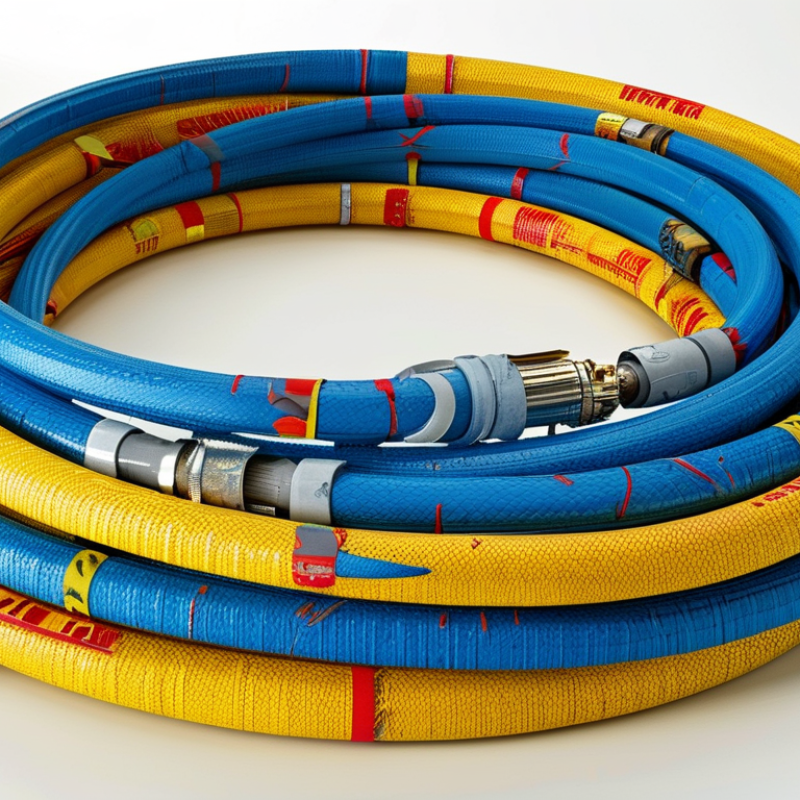
Coloured cable sleeving is a flexible covering placed around individual wires or cable bundles. It is commonly made from braided fabric, expandable PET, heat-shrink material, or flexible plastic. The colour helps technicians identify circuits, cable groups, or connection functions during installation and maintenance. Red may indicate power, while blue or green can separate control and signal wiring. However, colour meanings vary between projects, so written labels remain important.
The sleeving also protects cables from abrasion, dust, light contact, and repeated movement. Braided sleeving can gather several wires into one cleaner bundle beneath a desk, inside a control cabinet, or behind equipment. Heat-shrink sleeving creates a tighter finish around terminals and cable joints when the material is correctly rated. It can improve routing and reduce snagging, but it should not replace proper electrical insulation or mechanical protection.
In practical work, I have found colour useful when tracing a crowded cable run. It saves time.
Still, colour coding is not perfect. Dust, faded surfaces, dim lighting, and poor installation records can cause mistakes. Cable size, temperature resistance, voltage rating, and flexibility should be checked before fitting the sleeve. A sleeve that looks suitable may restrict bending or soften near heat sources. Leaving enough space at connectors also prevents splitting during movement.
How Coloured Cable Sleeving Identifies and Organises Wires
What Is Coloured Cable Sleeving Used For?
How Coloured Cable Sleeving Identifies and Organises Wires
Coloured cable sleeving gives each wire a visible identity. Technicians can match colours with circuit functions, voltage levels, or connection points. This makes dense control panels easier to inspect. It also reduces tracing time during installation, testing, and maintenance.
Colour coding is most useful when combined with printed labels and wiring diagrams. A blue sleeve might identify a signal wire, while a red sleeve could indicate a positive supply. However, colour meanings differ between sites and industries. A neat colour scheme can still mislead. Technicians should confirm every colour against approved documentation and relevant wiring standards, such as IEC 60445.
The safety value is practical, not decorative. NFPA Research reports that electrical distribution and lighting equipment caused an estimated 32,870 U.S. home fires annually between 2017 and 2021. These fires caused approximately 470 deaths, 1,100 injuries, and 1.3 billion dollars in direct property damage. Coloured sleeving cannot prevent every fault, but it can support clearer inspection and safer isolation procedures. It helps workers notice mismatched wires, damaged insulation, and unusual routing. Small details matter.
Sleeving also improves organisation inside cabinets, machinery, and cable looms. Matching colours across both ends prevents unnecessary cable tracing. That benefit becomes weaker when colours fade, labels fall off, or installers use inconsistent conventions. Periodic checks are still necessary. Perhaps the simplest system is not always the best one.
Key Materials and Designs Used in Cable Sleeving
What Is Coloured Cable Sleeving Used For?
Key Materials and Designs Used in Cable Sleeving
Coloured cable sleeving protects wires while making cable groups easier to identify. It can reduce abrasion from sharp cabinet edges, moving parts, and repeated handling. PET braided sleeving is common because it expands around connectors and remains flexible. Its woven structure also allows heat to escape. Nylon offers a smoother surface and stronger resistance to rubbing, although it may feel less adaptable during installation.
For hotter environments, fiberglass sleeving with a silicone coating can provide better thermal protection. Polyolefin heat-shrink sleeving creates a tighter finish when warmed carefully. The fit matters. Excessive heat may damage nearby insulation or leave an uneven surface. Some installers prefer split sleeving for repairs because cables can be added without disconnecting terminals. Spiral wrap suits branching cable bundles, while dense braided designs create a cleaner appearance on visible equipment.
Colour choice is not merely decorative. Different colours can separate power, data, control, or maintenance circuits during inspection. A bright sleeve can reveal dust, oil, and poor routing more clearly. That is useful, but sometimes inconvenient. I have found that a sleeve with a neat pattern may still slide near a connector if its diameter is poorly matched. Measuring the bundle, checking bend radius, and leaving room for future cables usually produces a more dependable installation.
How to Choose and Install the Right Cable Sleeving
Coloured cable sleeving is used to protect wires, improve routing, and make identification faster. In control panels, red may indicate power, while blue can separate signal circuits. Colour is helpful, but it is not a safety system by itself. Labels and diagrams still matter.
Choose sleeving by temperature, abrasion, flexibility, and cable diameter. Braided PET sleeving suits visible cable bundles and tolerates repeated movement. Heat-shrink sleeving offers tighter protection around connectors, but it needs controlled heating. For high-temperature areas, check the product’s continuous operating rating instead of guessing. The 2024 Grand View Research cable-management report valued the global market at more than 20 billion dollars, showing how widely organised cable protection is being adopted. However, market growth does not guarantee correct installation.
Measure the bundle at its widest point. Select a sleeve with enough expansion for easy insertion, but avoid excessive looseness. Cut braided material with a hot knife or seal the edge carefully to prevent fraying. Keep heat away from insulation and connector seals. Secure the sleeve with compatible ties or clamps, leaving slack near moving joints. IEC 60529 testing principles remind installers that enclosure protection depends on the complete assembly, not one component. A sleeve alone cannot make a cable waterproof. That mistake is common. Inspect the finished route for sharp bends, compression, and trapped heat before energising the system.