
Why Choose BESS Battery Energy Storage Systems?
Why Choose Bess Battery Energy Storage Systems?
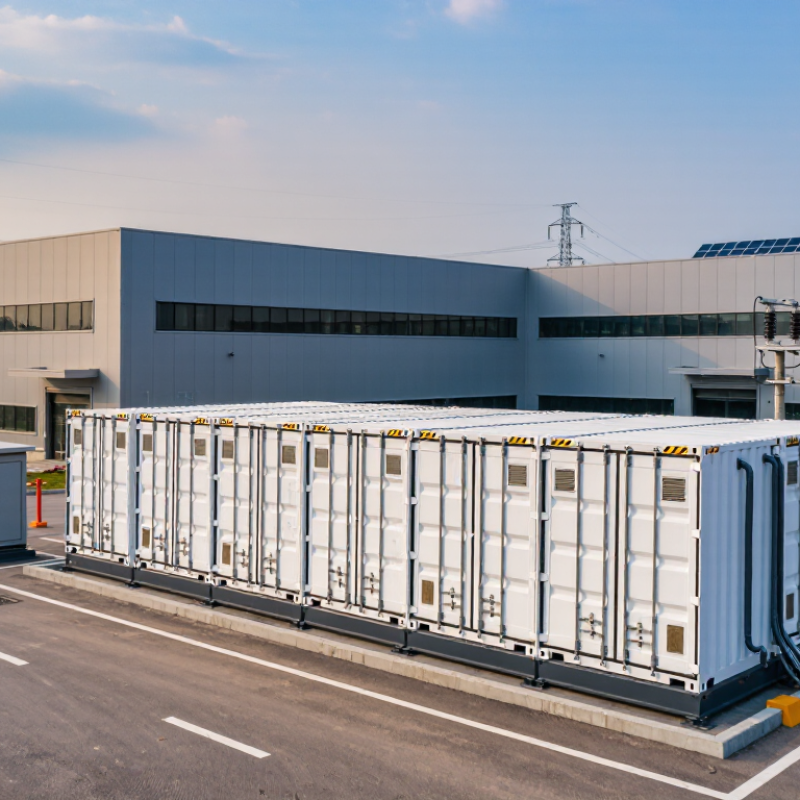
Electricity demand is becoming less predictable. Solar panels produce heavily at noon, while homes often need power after sunset. BESS Battery Energy systems help close this timing gap by storing electricity and releasing it when demand rises. A containerized system beside a factory can charge during low-price hours, then support machinery during evening peaks. The result is more controlled energy use, not simply more stored power.
Dr. Imre Gyuk, a leading energy storage expert, has said, “Energy storage is the key to unlocking the full potential of renewables.” His point remains practical. A battery system can reduce grid pressure, improve renewable integration, and provide backup support during short interruptions. It can also help businesses monitor consumption through battery management software, thermal sensors, and remote controls. Small details matter.
Performance still requires judgment.
Battery chemistry, fire protection, ventilation, site conditions, and maintenance schedules influence the final outcome. A poorly sized system may cost more than expected or deliver limited savings. That uncomfortable possibility deserves honest attention. Capacity alone does not guarantee reliability. Operators must review degradation, round-trip efficiency, warranties, and local grid requirements before purchasing equipment. When designed around real load data, BESS Battery Energy solutions can become a dependable part of modern energy infrastructure, rather than an impressive installation with disappointing results.
Defining BESS: Components, Chemistry, and the 42 GW Added in 2023 (IEA)
Why Choose BESS Battery Energy Storage Systems?
Battery Energy Storage Systems, or BESS, store electricity for later use. They can respond within milliseconds. That speed supports grid stability, renewable integration, and peak-demand management.
A complete BESS includes battery cells, modules, racks, and a battery management system. Power conversion equipment changes direct current into usable alternating current. Energy management controls decide when to charge or discharge. Thermal systems, fire protection, transformers, switchgear, and monitoring equipment also matter. The battery is only one part.
Lithium-ion chemistry currently dominates new installations because it offers strong efficiency and compact design. Lithium iron phosphate chemistry provides good thermal stability and long cycle life. Nickel-rich chemistries can deliver higher energy density, but they require careful thermal control. Actual performance depends on temperature, cycling patterns, maintenance, and system design. Small details matter.
The International Energy Agency reported 42 GW of battery storage added globally in 2023. That figure shows rapid growth, not guaranteed success. Project reviews often reveal overlooked limits, including grid connection delays and capacity fade. A spreadsheet may look perfect. The site may disagree.
BESS can reduce wasted renewable energy and help facilities avoid expensive demand peaks. However, safety systems, qualified commissioning, and transparent performance testing remain essential. Choosing chemistry by price alone is a weak decision. A better assessment considers duration, operating conditions, degradation, local regulations, and the people maintaining the system.
