147 Mill Ridge Rd Suite 232
Lynchburg, Virginia 24502
Phone 757-982-3665

What Are the Best China Outside Lifts for Global Buyers?

Choosing the best China Outside Lifts requires more than comparing prices or browsing attractive product photos. Global buyers must match the lift with building use, climate, traffic, and local installation conditions. A coastal hotel may need corrosion-resistant stainless steel, sealed controls, and reliable drainage. A warehouse may require higher load capacity, wider platforms, and durable galvanized components. Residential projects often prioritize quiet movement, compact dimensions, and simple emergency operation. Small details matter.

This guide examines the practical differences among China Outside Lifts, including platform lifts, enclosed external elevators, and wheelchair-accessible models. It focuses on lifting capacity, travel height, weather protection, safety systems, energy use, and maintenance access. Buyers should request technical drawings, load calculations, factory test records, installation manuals, and clear warranty terms. Supplier experience also matters. A responsive factory can help resolve measurements, customs documents, replacement parts, and commissioning questions.

No shortlist is perfect. A low quotation may exclude installation support or essential protection. A premium finish may not improve performance in every project. Even experienced buyers can overlook drainage, wind exposure, or landing alignment. This guide therefore uses a cautious, evidence-based approach. It encourages factory audits, sample inspections, independent technical review, and written confirmation of applicable regional requirements. The best choice is not always the newest lift. It is the model that performs safely, fits the site, and remains supportable after delivery.

What Are the Best China Outside Lifts for Global Buyers?

What Is a China Outside Lift and How Does It Work?

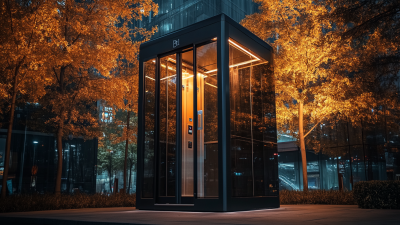
A China outside lift is an elevator installed on a building’s exterior instead of inside a conventional shaft. It may serve homes, hotels, factories, hospitals, or public buildings. The term is not perfectly standardized. Some suppliers mean an outdoor passenger elevator, while others describe a platform lift or construction lift. Global buyers should confirm the exact equipment type before comparing quotations.

The system usually includes a steel tower, guide rails, an enclosed cabin, landing doors, and a drive unit. A traction model moves the cabin with ropes, sheaves, and a counterweight. A hydraulic model uses a pump and cylinder to raise the cabin. Platform designs may use screw drives or compact hydraulic systems. Sensors monitor door locking, position, overspeed, and emergency braking. During site inspections, I check the landing alignment, drainage, cable routing, and maintenance access. Small installation details often affect long-term reliability.

Outdoor exposure changes the buying decision. The enclosure needs suitable corrosion protection, sealed electrical cabinets, safe lighting, and controlled ventilation. In cold regions, buyers may require cabin heating and anti-freeze protection. In coastal areas, ordinary paint may fail earlier than expected. Ask for load capacity, travel height, duty cycle, noise data, and installation drawings. Request test records and documentation for the destination market’s safety requirements. A lower initial price can hide difficult foundations, custom weather protection, or limited spare-parts support. One point deserves reflection: “weatherproof” is not a complete technical specification. Suppliers should state the tested protection level and operating temperature range clearly.

Which Types of China Outside Lifts Suit Different Buildings?

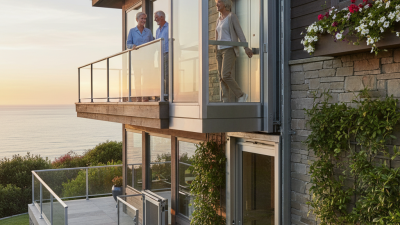
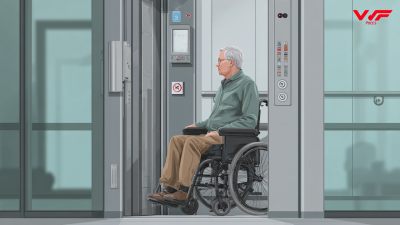
Choosing the right China outside lift depends on the building, not only the purchase price. For private houses and small villas, a compact platform lift often works well. It needs limited construction and can serve two or three floors. It suits wheelchair users and older residents. However, its speed is usually modest.

Mid-rise apartments, hotels, and offices normally need an enclosed passenger lift. A traction lift fits buildings with several stops and frequent daily use. A hydraulic model can suit low-rise projects where machine-room planning is difficult. It may require more pit space and regular fluid checks. Glass observation lifts can improve the appearance of shopping centers, showrooms, and public buildings. They also need careful control of heat, glare, and cleaning access.

Warehouses and workshops require different equipment. A freight lift should match pallet dimensions, loading methods, and floor strength. Do not use a passenger model for heavy industrial work. For older buildings, an external shaft can reduce indoor remodeling. The design still needs wind protection, drainage, insulation, emergency communication, and corrosion-resistant materials. Local accessibility, fire, electrical, and structural rules must be checked before ordering.

In my experience, specifications often look complete but hide practical gaps. Ask for tested load data, travel speed, door size, standby support, and replacement-part plans. Request installation drawings early. A cheaper lift may become expensive when site conditions change. Careful measurement matters.

What Are the Best China Outside Lifts for Global Buyers?

Which types of China outside lifts suit different buildings?

External traction lifts are generally preferred for apartment, office and public buildings because they support greater travel heights and higher traffic volumes. Machine-room-less traction lifts are suitable where rooftop machinery space is limited, while hydraulic lifts are commonly used for low-rise buildings such as villas, small hotels and two- to six-storey facilities. Panoramic traction lifts are often selected when architectural visibility and passenger experience are important.

Suitability scores range from 1 to 5 and summarize typical applications based on building height, traffic demand, installation flexibility and architectural requirements. Final selection should be verified against local regulations, site conditions and project traffic calculations.

How to Compare Safety, Capacity, Materials, and Energy Use

For global buyers, an outside lift should be compared as a complete system, not by rated load alone. Safety starts with conformity to recognized standards, such as EN 81-20, EN 81-50, or ASME A17.1/CSA B44, depending on the installation market. Ask for test records, emergency lowering details, door protection, overspeed control, and weather-related risk assessments. Rated capacity must match real use. A 630-kilogram lift carrying tools and two workers may need a higher duty class than a residential unit.

Materials matter outdoors. Galvanized structural steel can suit ordinary climates, while stainless steel is more appropriate near salt, heavy rain, or industrial pollution. Check the enclosure, fasteners, drainage channels, and sealing points. A strong cabin can still develop corrosion around a cheap bolt. That detail is easy to miss. Specify ingress protection, surface treatment, and maintenance access before comparing prices.

Energy use deserves measured evidence. CIBSE Guide D indicates that lifts can consume about 2–10% of a building’s electricity, especially in taller or busier buildings. ISO 25745-2 provides an A-to-G energy classification method for lift systems, helping buyers compare standby and running consumption. Regenerative drives may reduce wasted braking energy, but savings depend on traffic patterns and installation height. The International Energy Agency reports that buildings account for about 30% of global final energy demand, so small equipment choices still matter. I would not trust a claimed percentage without test conditions, travel cycles, and standby figures. Ask for those numbers in writing.

What Standards Should Global Buyers Check Before Purchasing?

When comparing the best China outside lifts, global buyers should check compliance before comparing price or appearance. An outdoor lift must match the rules of its destination country and its intended use. Passenger lifts may require EN 81-20 and EN 81-50, while vertical platform lifts may follow EN 81-41 or ISO 9386-1. In North America, ASME A18.1 is often relevant for platform lifts. These references are not interchangeable.

Check the complete technical file, not only a certificate. Request rated load, travel speed, shaft dimensions, stopping accuracy, and emergency lowering details. The control cabinet should have suitable electrical protection for rain, dust, and temperature changes. Ask for the enclosure rating, corrosion treatment, drainage design, and wind-load calculations. Concrete anchors need verified structural drawings. A weak wall can defeat a well-made machine.

Site experience matters. Measure the landing height, foundation condition, door clearance, and local power supply before ordering. Confirm whether the supplier provides installation instructions, testing records, maintenance schedules, and spare-parts support. The conformity mark must be accepted in the target market, with the correct risk assessment and declaration of conformity. Local authorities may also require inspection or registration.

Certificates can be genuine yet incomplete. That is easy to miss. I would ask an independent engineer to review the documents and inspect a production sample. Standards cannot predict every coastal storm, uneven foundation, or careless installation. The buyer still carries responsibility for checking the real site conditions.

How to Evaluate Chinese Suppliers, Costs, Installation, and Support

What Are the Best China Outside Lifts for Global Buyers?

Choosing an outside lift from China requires more than comparing catalog prices. Ask each supplier for load capacity, travel height, platform dimensions, weather protection, and installation drawings. A reliable supplier should explain testing procedures and provide relevant certificates for your destination market. Factory videos help, but a live inspection or independent audit offers stronger evidence.

Request a detailed quotation. It should separate the lift, packing, freight, duties, foundation work, electrical connections, installation, and commissioning. Check whether stainless steel, drainage, insulation, and corrosion-resistant finishes are included. A low price can look attractive. It may hide important exclusions. Confirm payment stages and delivery dates in writing.

Installation support often decides project success. Ask for method statements, wiring diagrams, remote training, spare-parts lists, and emergency response times. Clarify who supervises local installation and who accepts final testing. In coastal areas, salt air can damage exposed components faster than expected, so maintenance intervals matter. I would not rely only on translated promises; review drawings with a qualified local engineer. Some evaluations still miss small issues, such as door clearance or crane access. That is worth correcting before production.

What Are the Best China Outside Lifts for Global Buyers?

A practical comparison framework for evaluating outdoor lift types, Chinese suppliers, indicative costs, installation requirements, compliance, and after-sales support.

Cost figures are indicative planning ranges in USD for international projects and can vary by capacity, stops, enclosure, destination, building conditions, shipping, taxes, local labor, and certification requirements. Buyers should request a project-specific quotation and verify all technical and compliance documents.
Evaluation Dimension Hydraulic Outdoor Lift Traction Outdoor Lift Screw-Drive or Platform Lift What Global Buyers Should Verify
Best Application Low-rise buildings Residential use Moderate traffic Suitable where compact machine-room arrangements and smooth low-speed travel are preferred. Multi-floor use Higher traffic Energy efficiency Better suited to repeated daily operation and projects requiring greater travel flexibility. Accessibility Short travel Small buildings Often appropriate for homes, small commercial premises, schools, and public-access upgrades. Confirm the intended duty cycle, number of users, climate, building height, and whether the equipment is intended for passengers, wheelchair users, or goods.
Typical Rated Load Approximately 250–1,000 kg for common low-rise configurations. Approximately 320–1,600 kg for common passenger and service configurations. Approximately 225–500 kg for many platform and accessibility configurations. The rated load must include passengers or goods, car finishes, fixtures, and any local safety margin required by the applicable code.
Typical Rated Speed Approximately 0.20–0.63 m/s for many low-rise outdoor installations. Approximately 0.50–1.75 m/s, depending on travel height, traffic, and control system. Approximately 0.10–0.30 m/s for platform-style accessibility equipment. Speed should be selected together with travel height, door type, stopping accuracy, ride comfort, and local accessibility requirements.
Typical Travel and Stops Commonly used for short to medium travel and roughly 2–6 stops. Can support short, medium, and taller building applications, subject to the selected design and local approval. Generally intended for short travel and approximately 2–4 stops. Ask for the maximum approved travel, maximum number of landings, pit or overhead requirements, and limits caused by wind exposure.
Indicative Equipment Cost US$12,000–35,000 Equipment only; outdoor enclosure and controls can materially increase the price. US$18,000–60,000 Equipment-only range for common low- to medium-rise configurations. US$8,000–25,000 Usually lower for short travel, basic finishes, and limited stops. Compare quotations on the same basis: lift package, doors, enclosure, controller, safety devices, packaging, spare parts, documentation, and Incoterms.
Typical Outdoor Enclosure Cost Approximately US$3,000–15,000 for steel or aluminum structures, excluding difficult foundations and architectural finishes. Approximately US$4,000–20,000, depending on glazing, weather protection, structural design, and number of landings. Approximately US$2,000–12,000 for basic weather-protected structures. Request structural drawings, corrosion-protection details, glazing specifications, drainage provisions, roof design, and wind-load calculations.
Foundation and Civil Works May require a reinforced concrete base, drainage, oil-resistant provisions, and access for hydraulic equipment. May require a pit, base slab, guide-rail supports, overhead clearance, and structural fixing points. Often has reduced pit requirements, but still needs a stable base, landing structure, and compliant guarding. Civil works are normally site-specific and are often excluded from the supplier’s equipment quotation. Obtain approved load and foundation drawings before construction.
Installation Cost US$4,000–15,000 for international projects, excluding major civil works, permits, travel complications, and local taxes. US$5,000–20,000 depending on the number of stops, site access, commissioning complexity, and local labor rates. US$2,500–10,000 for relatively simple installations; complex structures may cost more. Clarify whether installation includes unloading, mechanical assembly, electrical connection, testing, commissioning, user training, and authority inspection support.
Energy and Operating Considerations Hydraulic systems may use more energy during upward travel and require periodic inspection of oil, seals, hoses, and valves. Geared or gearless traction systems can offer efficient operation, especially with variable-frequency drives and suitable counterbalancing. Often has comparatively simple operation, but travel speed and duty cycle may be limited by the drive system. Request standby power consumption, motor rating, expected duty cycle, maintenance intervals, oil requirements, and estimated annual service costs.
Weather and Corrosion Protection Outdoor-rated electrical cabinets, sealed components, protected hydraulic equipment, drainage, and corrosion-resistant finishes are important. Outdoor-rated motors, controllers, door operators, sensors, and cable protection should be specified for the local climate. Weatherproof guarding, non-slip platforms, sealed controls, and protection from rain, snow, salt, and direct sunlight are required. Check coating system, galvanizing or stainless-steel grade, ingress protection rating, temperature range, humidity rating, and coastal-environment suitability.
Safety Features to Specify Emergency lowering, overspeed protection, door interlocks, overload protection, safety gear where applicable, alarm, emergency lighting, and manual rescue procedures. Overspeed governor, safety gear, door locks, emergency brake functions, overload protection, alarm, emergency lighting, and manual rescue procedures. Emergency stop, obstruction protection, safety edges or sensors, platform guarding, interlocked gates, battery lowering where applicable, and manual release procedures. Obtain a complete safety-circuit diagram, risk assessment, rescue plan, and list of safety components. Confirm that local inspectors accept the proposed design.
Compliance Documentation Supplier should provide technical drawings, electrical diagrams, manuals, test records, component specifications, and applicable conformity documentation. Supplier should provide technical drawings, electrical diagrams, manuals, test records, component specifications, and applicable conformity documentation. Supplier should provide technical drawings, electrical diagrams, manuals, test records, component specifications, and applicable conformity documentation. Depending on the destination, review requirements related to EN 81, EN 81-20/50, EN 81-41, ASME A17.1/CSA B44, local building codes, electrical rules, and accessibility standards. The applicable standard depends on lift type and jurisdiction.
Supplier Qualification Look for demonstrated experience with hydraulic outdoor systems, pressure components, weatherproof control cabinets, and international projects. Look for experience with traction machines, guide rails, door systems, variable-frequency drives, and multi-stop commissioning. Look for accessibility-lift experience, platform guarding, low-speed controls, and installation in existing buildings. Request legal registration, manufacturing-site evidence, quality certificates, export history, references for similar climates, product serial records, and independent inspection options.
Factory Quality Controls Check pressure testing, weld inspection, hydraulic leakage testing, cabinet testing, load testing, and final functional testing. Check machine testing, brake testing, controller testing, guide-rail alignment, door testing, overspeed-device testing, and final load testing. Check platform-level accuracy, gate interlocks, emergency functions, structural load testing, control testing, and obstruction detection. Require a factory acceptance test plan, inspection checklist, nonconformity process, photographs or videos of testing, and signed test reports before shipment.
Lead Time Planning Often approximately 6–12 weeks after approved drawings and deposit for standard configurations. Often approximately 8–16 weeks because of machine, door, guide-rail, and enclosure coordination. Often approximately 5–10 weeks for standard models and limited customization. Add time for engineering approval, production inspection, export packing, sea freight, customs clearance, local permits, installation, and final inspection.
Shipping and Packaging Hydraulic units, cylinders, cabinets, doors, and enclosure sections should be protected against moisture, impact, and corrosion during transport. Machines, rails, doors, cables, controllers, and enclosure members require careful labeling and moisture-resistant packing. Platforms, gates, drive units, controls, and structural sections should be packed to prevent deformation and surface damage. Confirm packing list, gross and net weight, package dimensions, HS codes, country-of-origin documents, spare-parts box, and responsibility under the selected Incoterm.
After-Sales Support Essential support includes hydraulic troubleshooting, spare seals and hoses, valve support, controller diagnostics, and remote commissioning assistance. Essential support includes controller diagnostics, door-operator support, brake adjustment guidance, encoder troubleshooting, and spare-parts availability. Essential support includes control troubleshooting, gate and sensor replacement, battery support, and adjustment guidance. Confirm response time, communication channels, warranty duration, remote support method, training materials, spare-parts pricing, and local service coverage.
Warranty and Spare Parts A written warranty commonly covers manufacturing defects for a defined period, while wear items, misuse, poor maintenance, and site damage may be excluded. Warranty terms should identify coverage for the motor, controller, brake, doors, safety devices, machine, and structural components separately where appropriate. Warranty should specify coverage for the drive, platform structure, gates, controls, batteries, sensors, and safety components. Request a recommended two-year spare-parts list, minimum stock levels, part numbers, availability period, and replacement procedure.
Total Delivered and Installed Budget Planning range: US$20,000–70,000+ including typical equipment, enclosure, shipping, installation, and basic site work; complex projects may exceed this range. Planning range: US$30,000–110,000+ depending on height, stops, finishes, structural requirements, certification, and local labor. Planning range: US$14,000–45,000+ for many short-travel projects, excluding major building alterations and authority fees. Use a landed-cost worksheet covering equipment, enclosure, freight, insurance, duties, taxes, permits, foundation, electrical work, installation, inspection, training, and long-term maintenance.
Recommended Buyer Decision Rule Choose when low-rise travel, smooth operation, and hydraulic expertise outweigh energy and maintenance considerations. Choose when higher traffic, longer travel, better operating efficiency, and multi-stop performance are priorities. Choose when accessibility, compact installation, short travel, and lower structural complexity are the main objectives. Select the supplier with the strongest combination of verified compliance, comparable project experience, transparent total cost, documented testing, and dependable local support—not simply the lowest quotation.